POINT OF INTEREST  CHURCHES

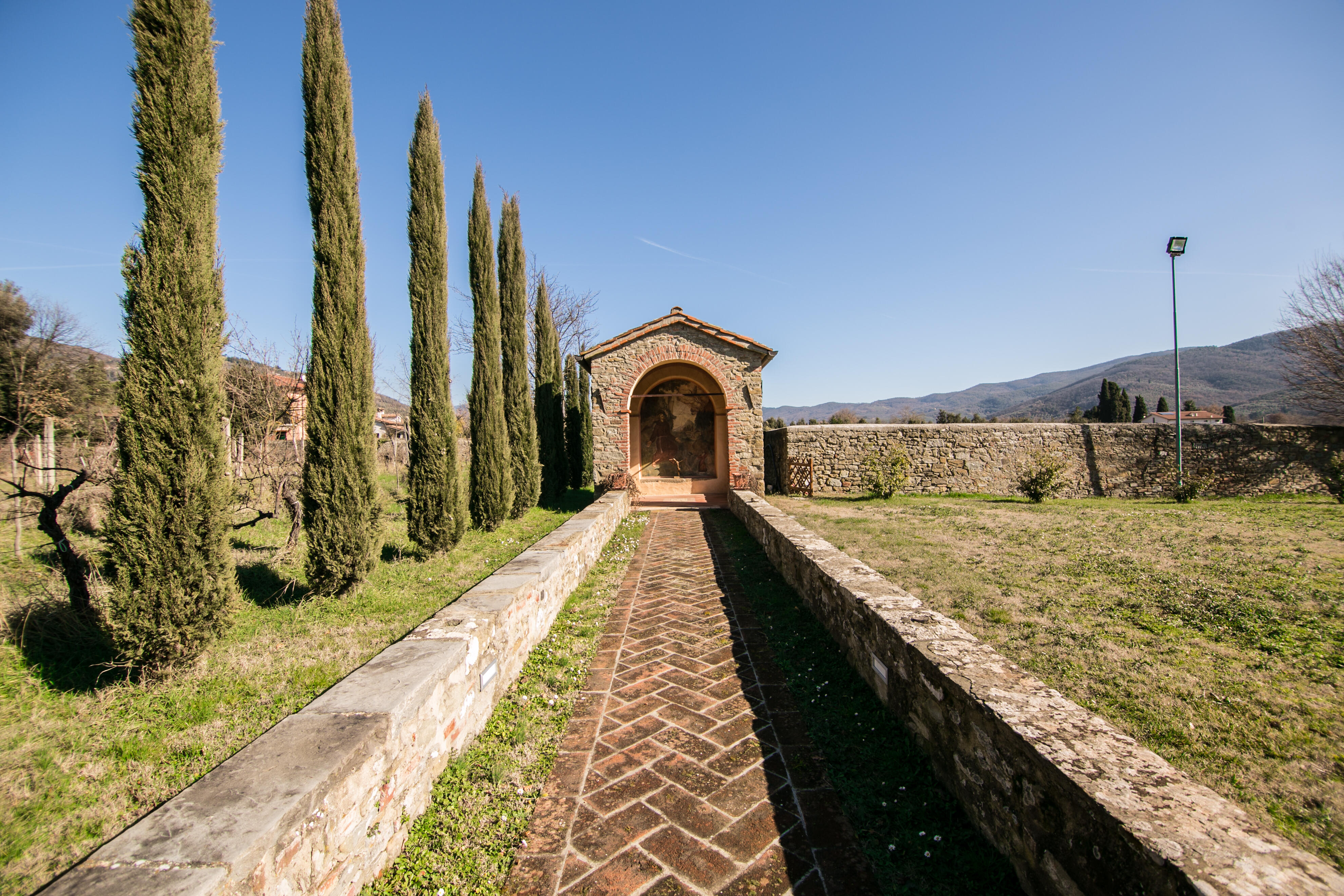
Sanctuary of the Madonna del Bagno

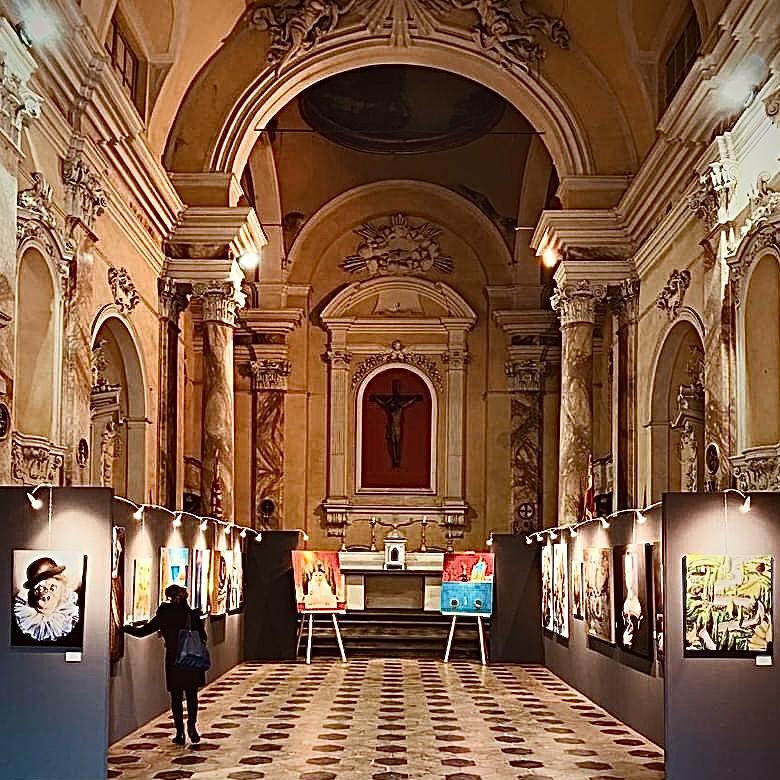
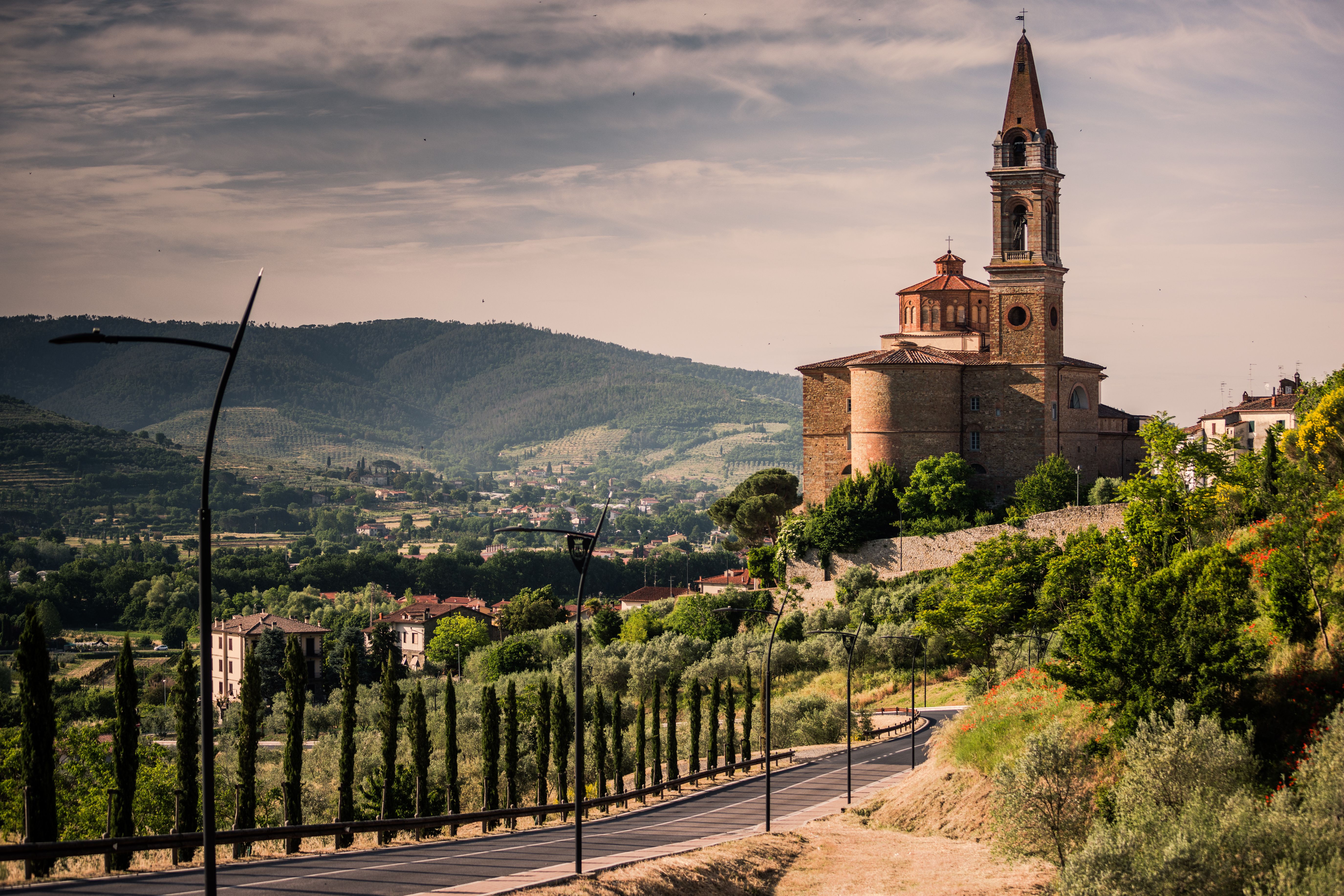
Legend has it that Mary appeared to two young shepherdesses, asking them to build a chapel

×

More information :

Legend has it that Mary appeared to two young shepherdesses, asking them to build a chapel; on that occasion, miraculous waters gushed from the ground, healing the sick who flocked there from all over.

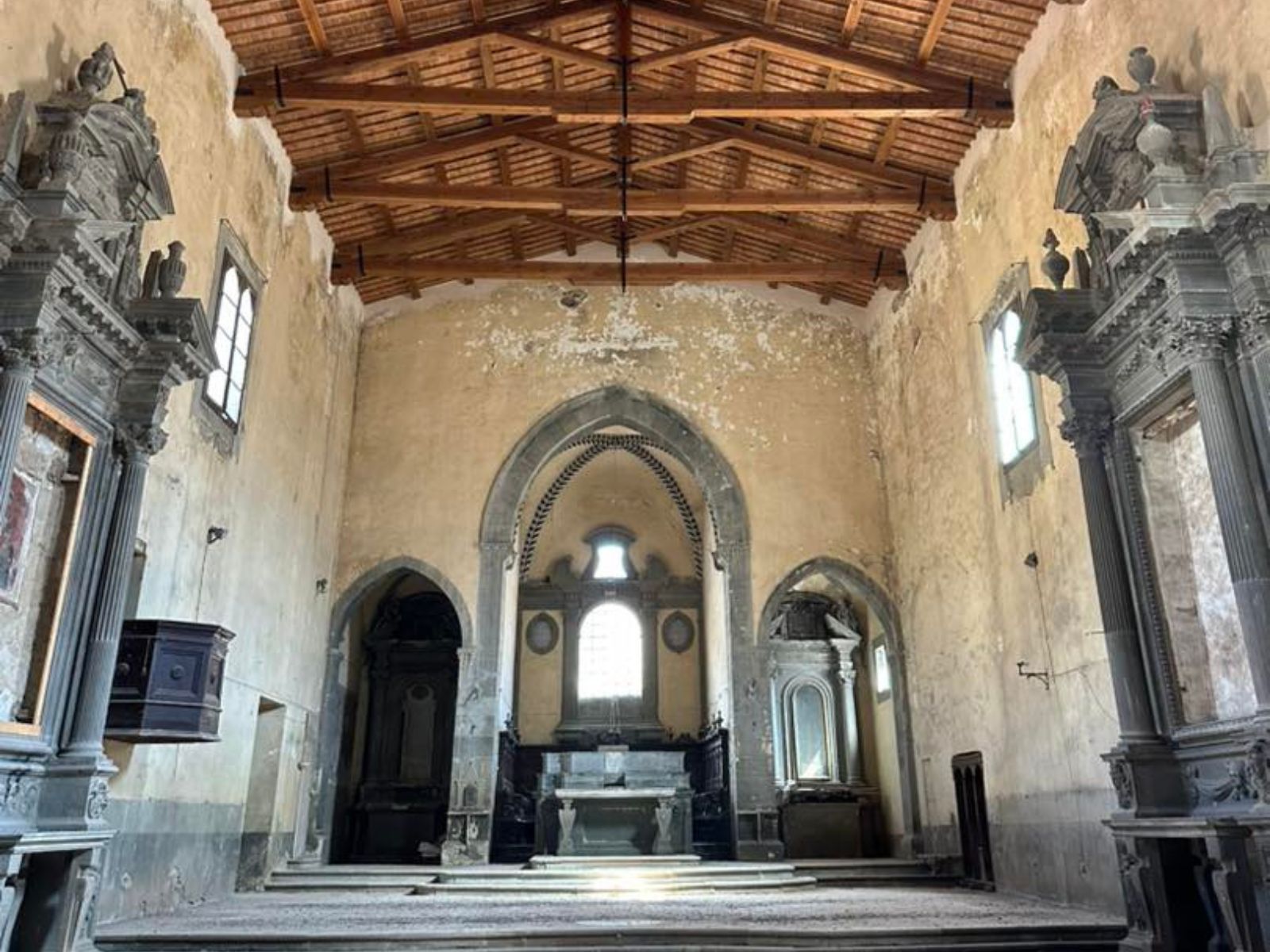
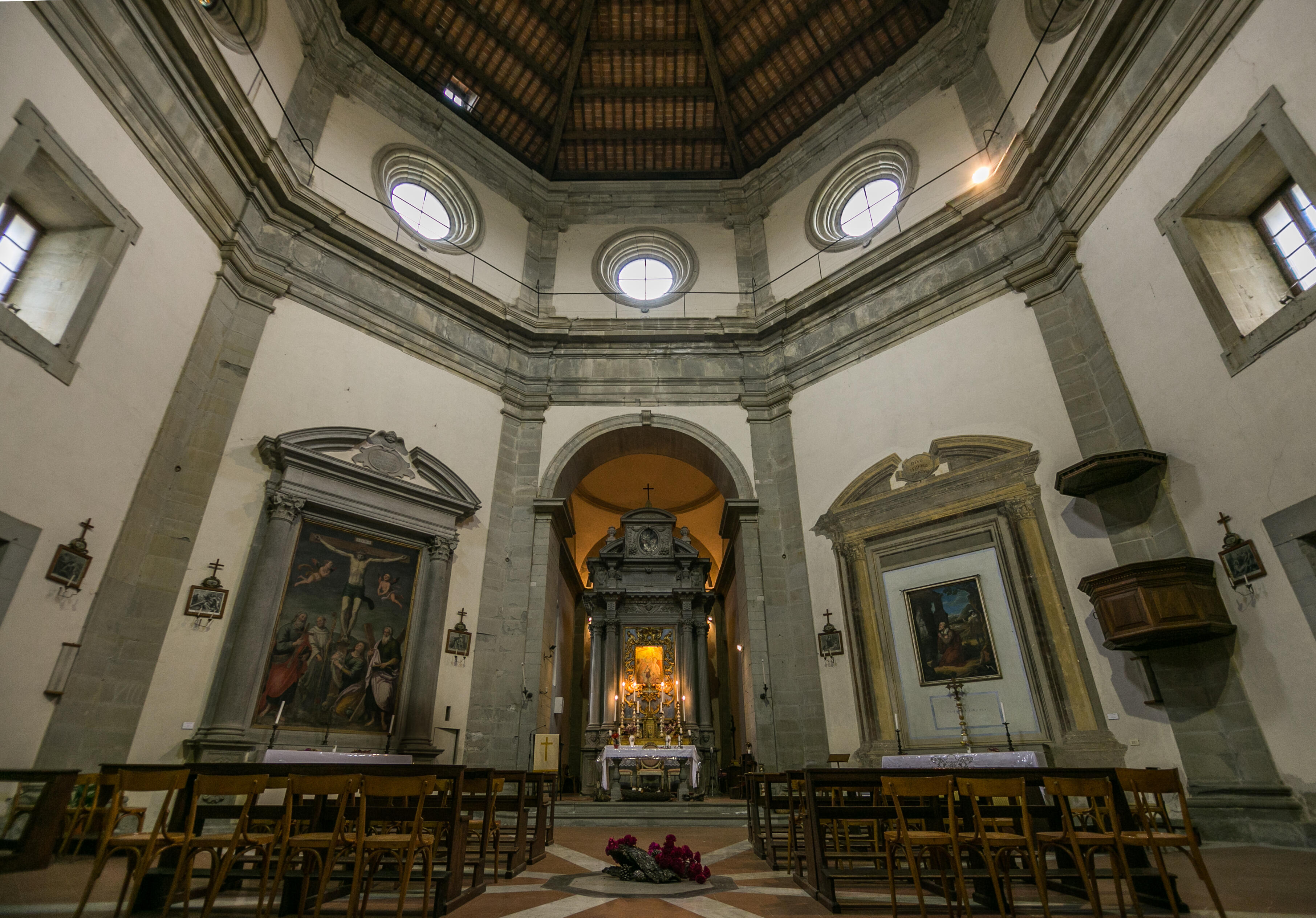
The origins of this sanctuary are not well documented: the first reliable mention of the church dates back to 1527, in the "Libro dei Partiti" of Castiglion Fiorentino. The small place of worship was expanded in 1711, but the current Latin cross-shaped building with a barrel vault dates back to a renovation between 1874 and 1887 by the Castiglione architect Pietro Mancini.

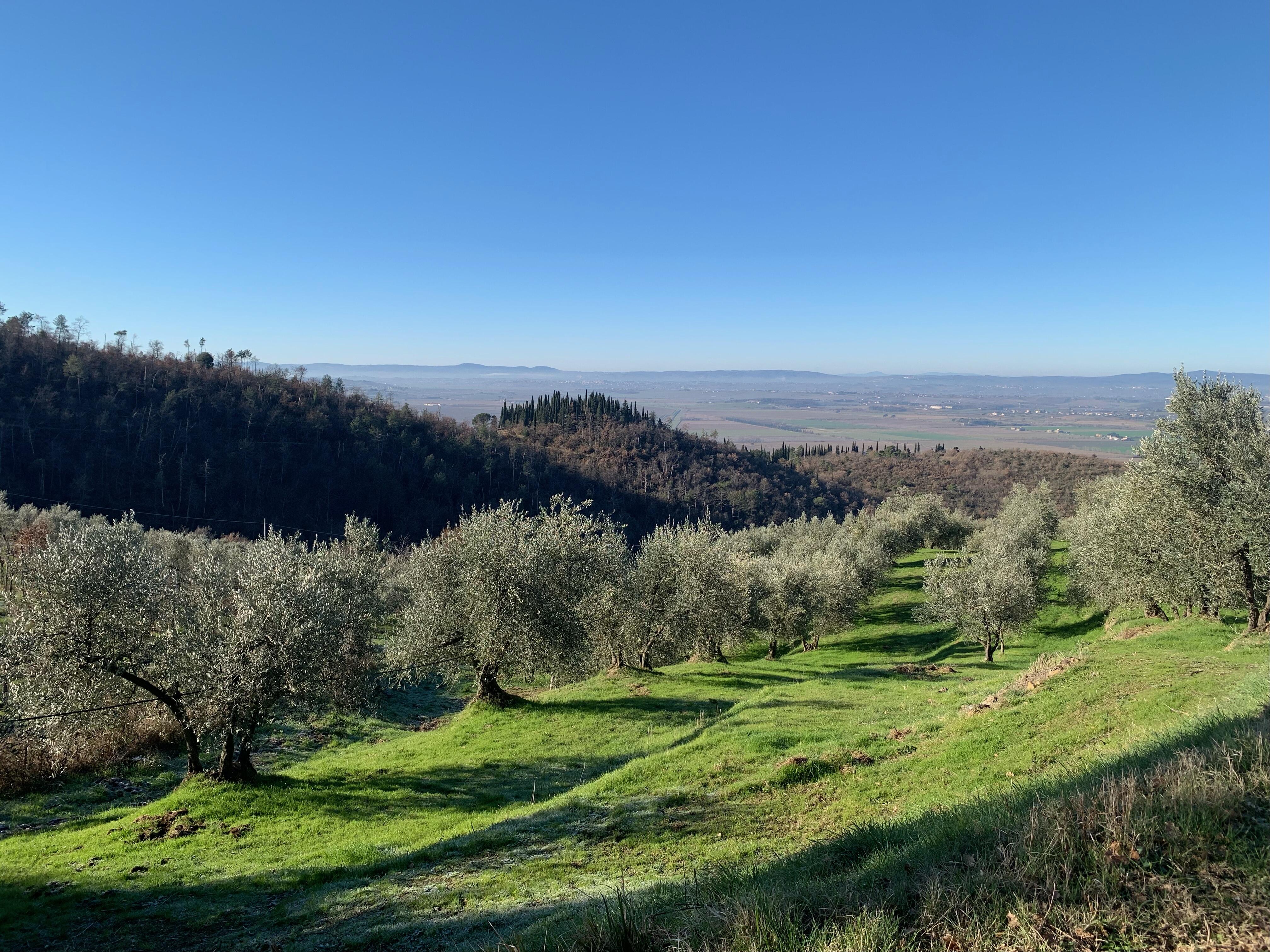
The custom of drinking or bathing in its waters is certainly ancient, like a small Lourdes in the Val di Chio, nestled in an enchanting location.
How to Get Here

Address:

Via Madonna del Bagno, 58, 52043 Castiglion Fiorentino AR
52043 Castiglion Fiorentino (Ar)

View in Maps

Share the page

Below are our references through which you can contact us:

You might also be interested in ...

Drag or swipe the images for a more immersive experience.

Walks of Saint Francis

The Ways of St. Francis in Tuscany are a nearly 300-kilometer path that leads pilgrims and travelers to places linked to key episodes in the life of the Saint.

View More

Parish Church of Saints Hippolytus and Cassian in Retina

The Parish Church of Saints Hippolytus and Cassian in Retina, now the Capuchin Church, is located in Pieve a Retina, Castiglion Fiorentino.

View More

Palazzo Comunale

Political and administrative seat of Castiglion Fiorentino since the end of the 12th century, the Palazzo Comunale, or Palazzo San Michele, was rebuilt by the Perugians in 1375-76 and, subsequently, in 1489

View More

Castiglionese Trail Network

Castiglion Fiorentino is a Tuscan village rich in history, surrounded by green hills. It's the perfect place if you're looking for a quiet retreat to reconnect with nature.

View More

Porta Romana

Anciently called Porta San Michele or Cortonese, Porta Romana represents the southern access to the city

View More

La Pinacoteca Comunale

The Municipal Art Gallery of Castiglion Fiorentino is housed in the restored rooms of the ancient church of S. Angelo al Cassero

View More

Collegiate Church of Saints Michael and Julian

Stands out for its neoclassical structure and its loggia with massive columns resting on travertine bases.

View More

Theater of Mario Spina

The history of the Teatro Comunale begins at the end of the 16th century, when the Grand Duke of Tuscany Ferdinand I authorized the Podestà of Castiglion Fiorentino to start an Academy to perform comedies.

View More

Porta Perugina

Al termine di una ripida scalinata è disponibile l'accesso occidentale al fortilizio del Cassero

View More

Church of Sant'Angelo

Mentioned in written sources from 1147 onwards, the church of Sant'Angelo is the oldest building in the town.

View More