POINT OF INTEREST  WAYS

Walks of Saint Francis

The Ways of St. Francis in Tuscany are a nearly 300-kilometer path that leads pilgrims and travelers to places linked to key episodes in the life of the Saint.

×

More information :

These routes connect Chiusi della Verna to Sansepolcro, Castiglion Fiorentino to Cortona, Arezzo, and the other six municipalities of the Valtiberina (Pieve Santo Stefano, Badia Tedalda, Sestino, Anghiari, Caprese Michelangelo, and Monterchi). These are the pilgrimage paths that lead southward to Assisi.

The more experienced and determined hikers can follow the Vie di San Francesco (St. Francis’ Ways) in Tuscany, particularly in the Valtiberina area, choosing between two main routes. Both begin in Chiusi della Verna and continue into neighboring Umbria.

The first—and most well-known—follows the ridge of the Alpe della Luna and passes through: Pieve Santo Stefano – Hermitage of Cerbaiolo – Hermitage of Montecasale – Sansepolcro.
The second, equally important, follows the Alpe di Catenaia and includes the following sites: Hermitage of La Casella – Caprese Michelangelo – Montauto Castle – Montauto Cenacle – Anghiari.

Just like the Camino de Santiago or the Via Francigena, the Franciscan route has its own Credential, issued by a religious authority. It is a travel document that accompanies the pilgrim along the way, distinguishing them from other travelers. At each stage, it is stamped and dated at the designated hospitality sites.

Presenting this Credential upon arrival in Assisi allows pilgrims to receive the Testimonium Viae Francisci, a certificate confirming the completion of the pilgrimage.

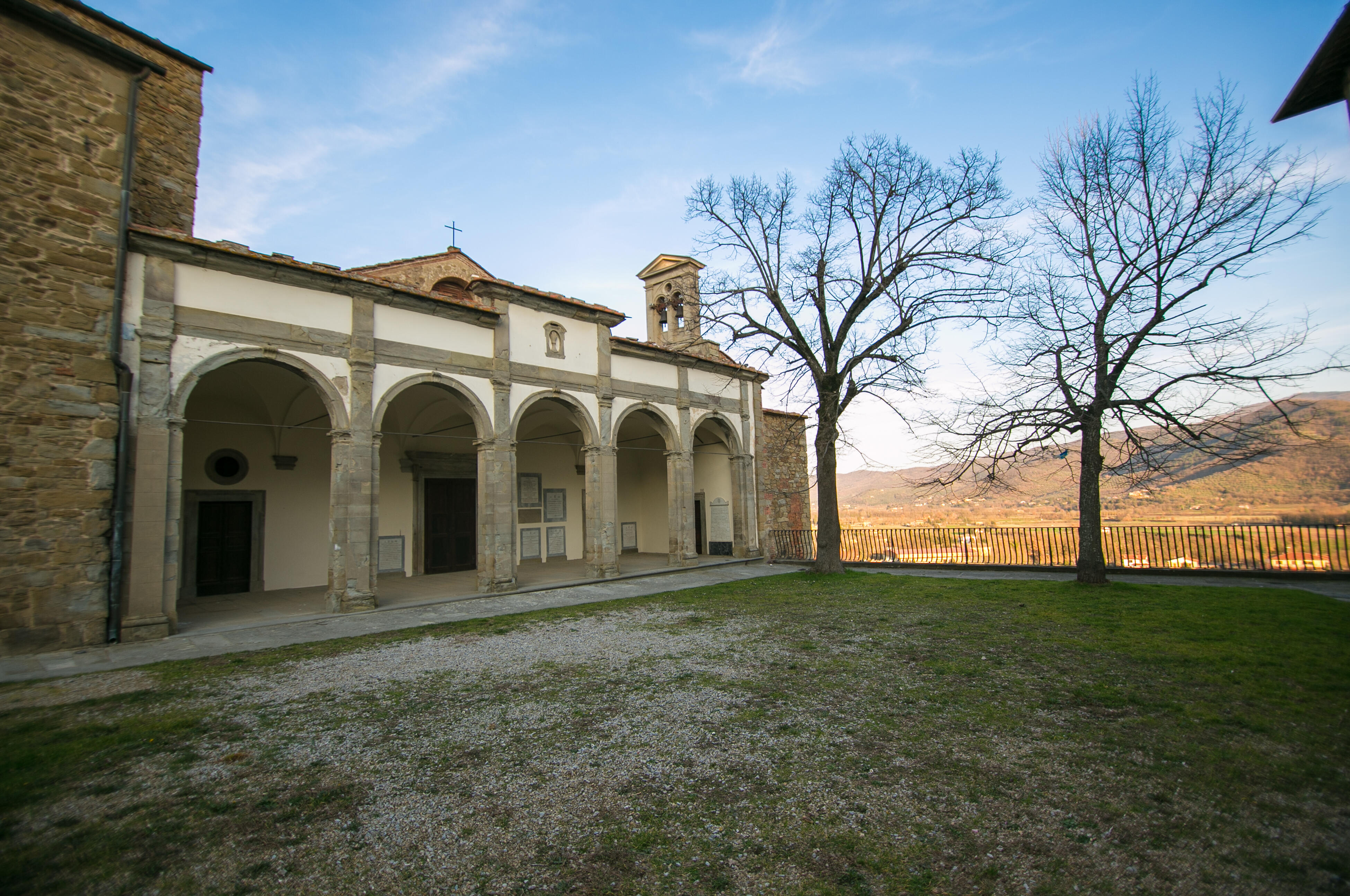
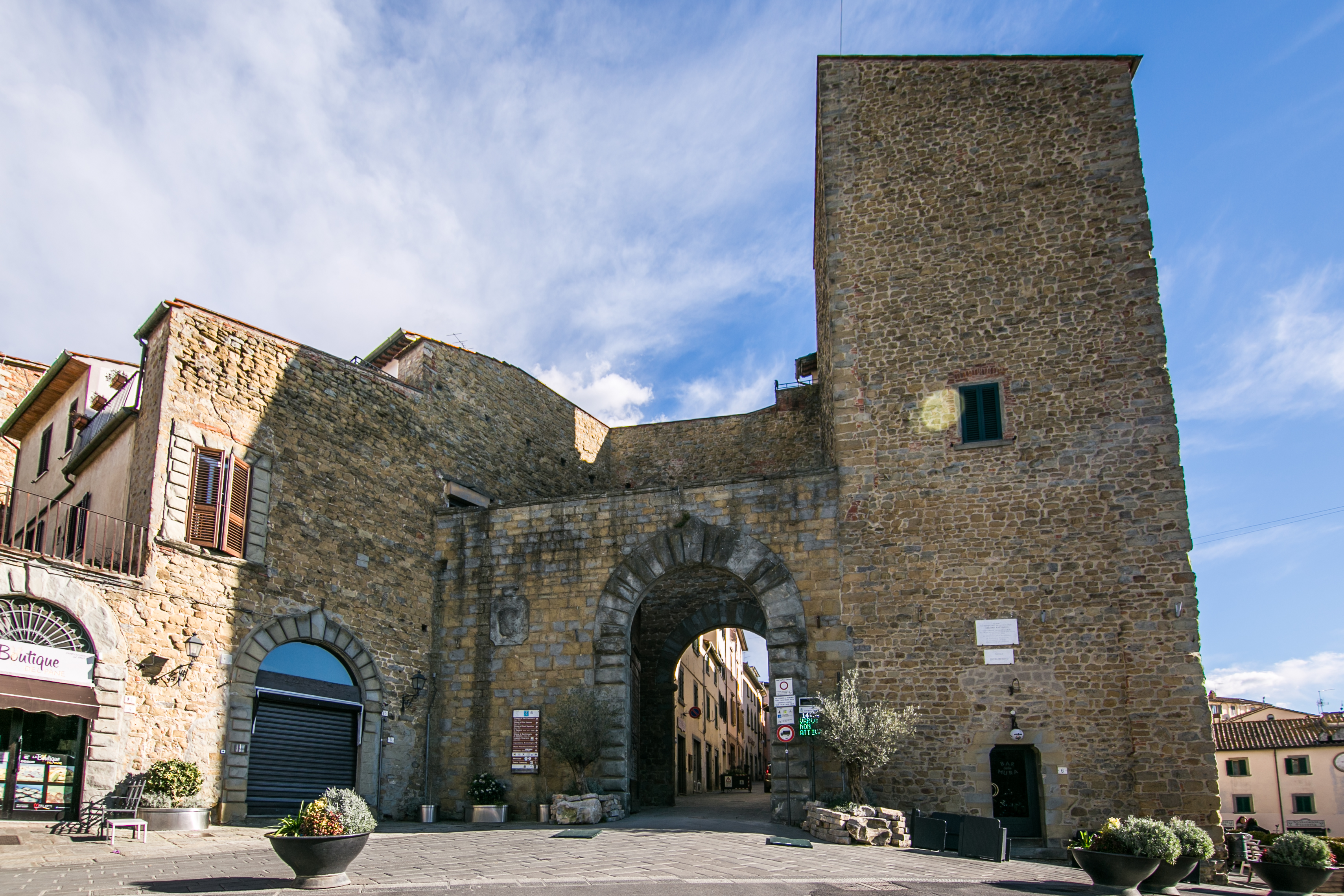
As for the city of Castiglion Fiorentino, the Way of St. Francis enters the historic center through the Petrognano area, reaches Porta Fiorentina, continues to the Convent of San Francesco, along Corso Italia to Piazza del Comune; it then descends toward Porta Romana and the Church of the Consolation, before heading from the Palazzolo area toward the Castle of Montecchio.
How to Get Here

Address:

Piazza del Municipio
52043 Castiglion Fiorentino (AR)

View in Maps

Share the page

Below are our references through which you can contact us:

You might also be interested in ...

Drag or swipe the images for a more immersive experience.

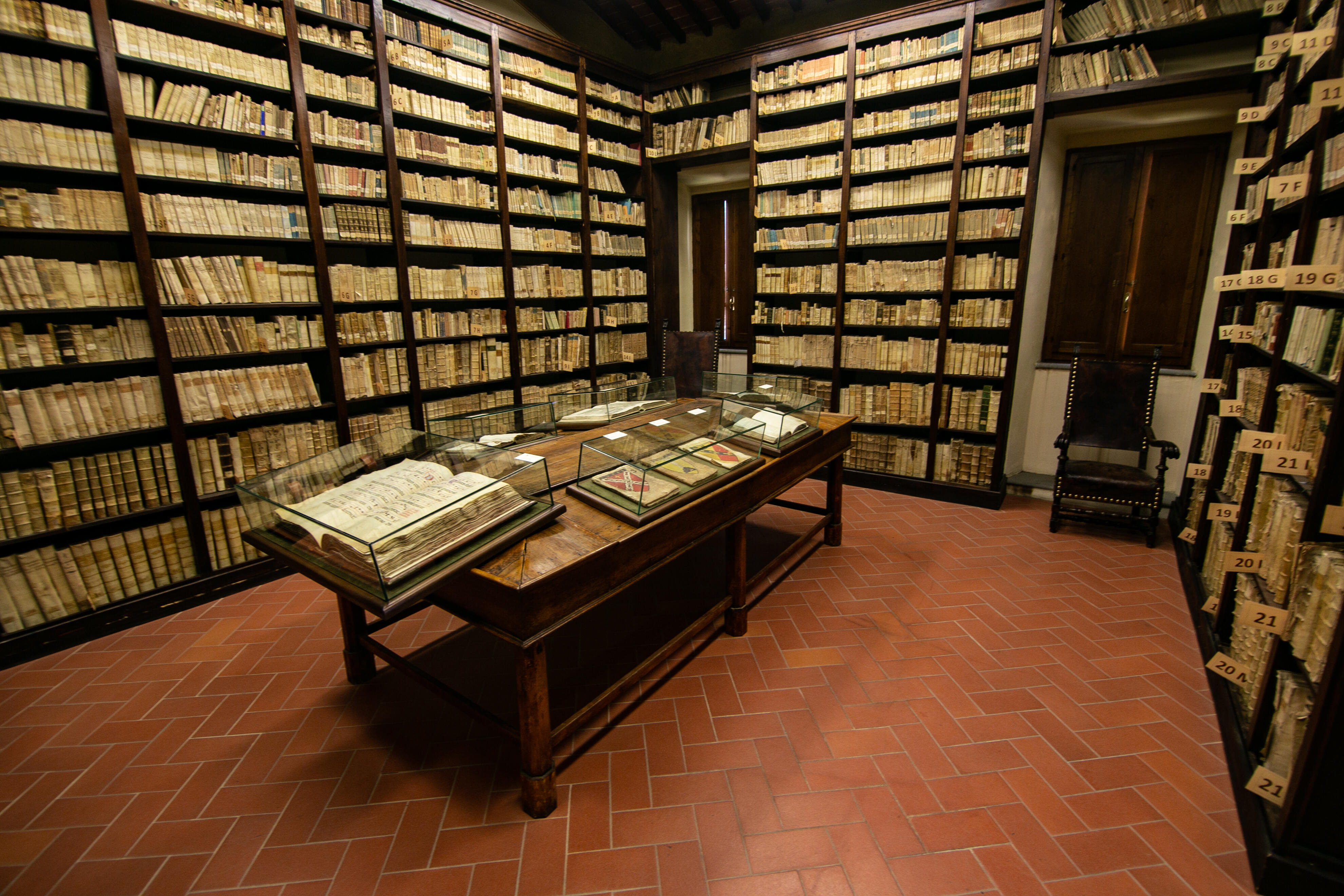
Fondo Antico

It currently houses 12,800 volumes and is currently digitizing the most prestigious manuscripts and printed books.

View More

Clock Tower

A large structure which, since the Middle Ages, marked the access to the Cassero

View More

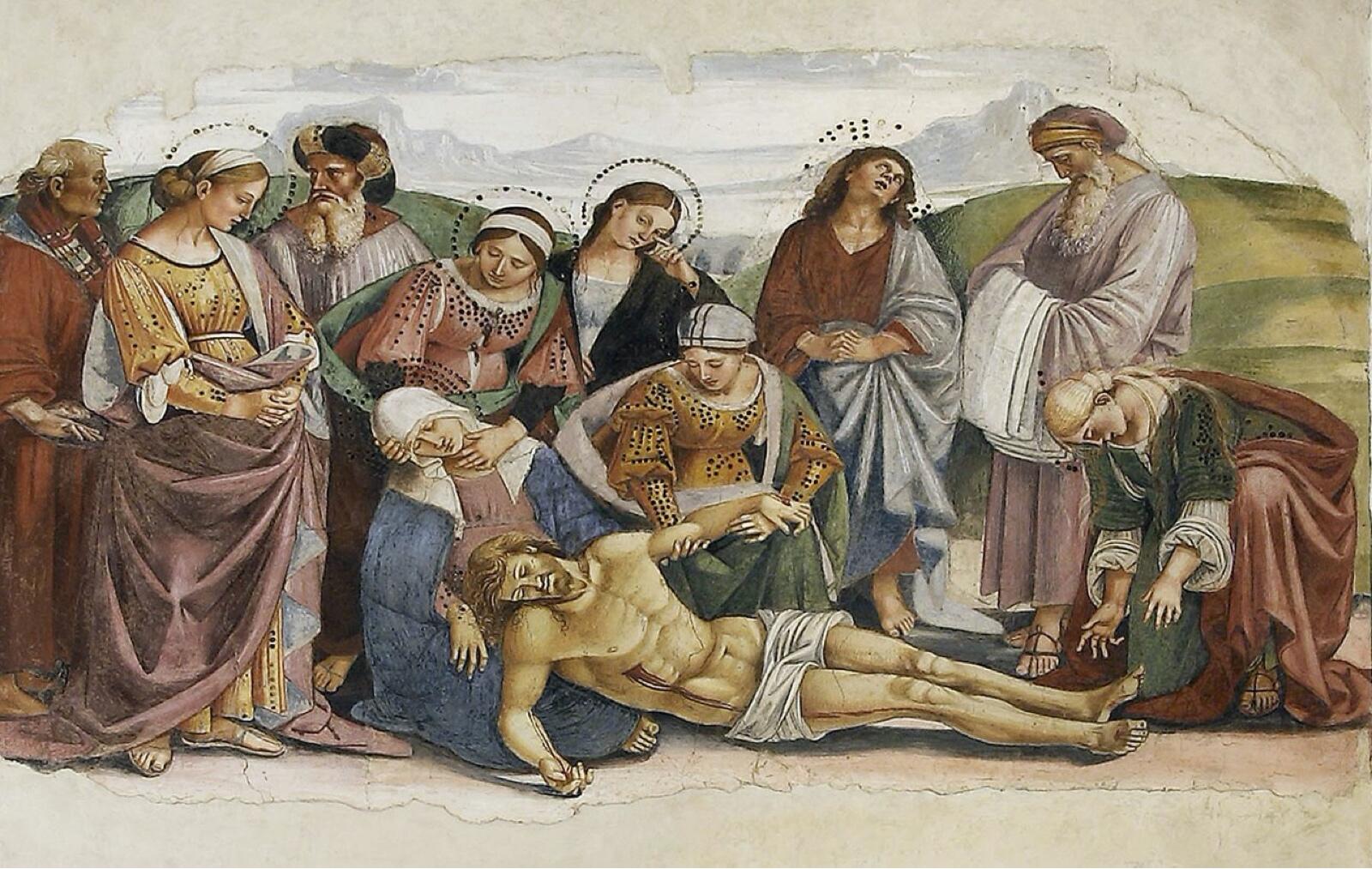
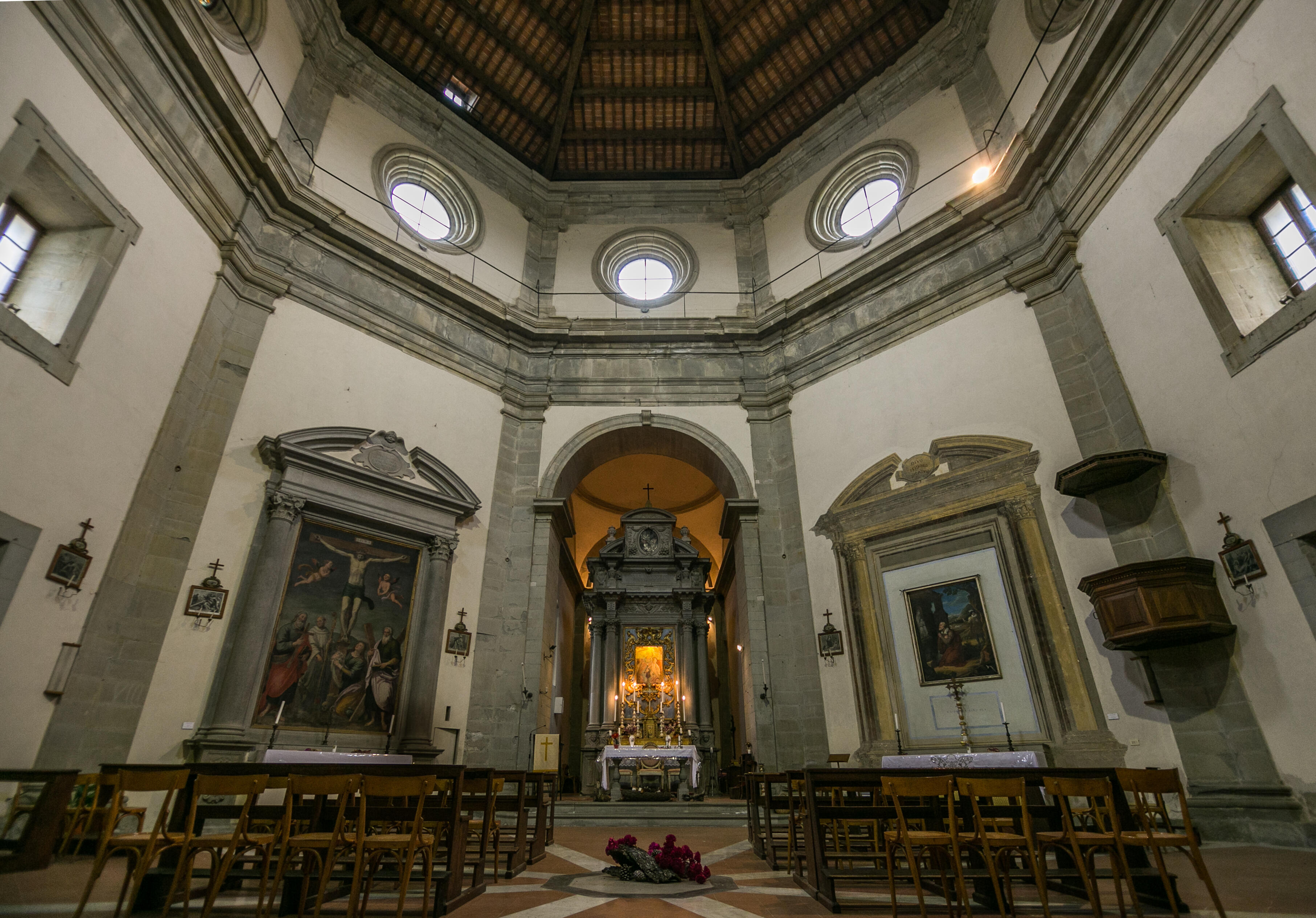
Church of Consolation

In the Middle Ages, at the foot of the village of Castiglion Fiorentino, there stood a small shrine containing an image of the Madonna and Child attributed to Luca Signorelli.

View More

Porta Fiorentina

Porta Fiorentina, which constitutes the entrance to the northern area of ​​the historic centre, is located in what, in ancient times, was called Terziere di Mercato.

View More

Romeo Germanica Trail

Castiglion Fiorentino is present within the Via Romea Germanica route as the arrival point of stage number 80

View More

Bonifica Trail

Along the Canale Maestro della Chiana you can follow an equipped cycle/pedestrian path of approximately 62 km that connects Arezzo with Chiusi

View More

Museo Archeologico

The Civic Archaeological Museum of Castiglion Fiorentino was founded in 2001 to exhibit the materials found during archaeological investigations carried out in the area

View More

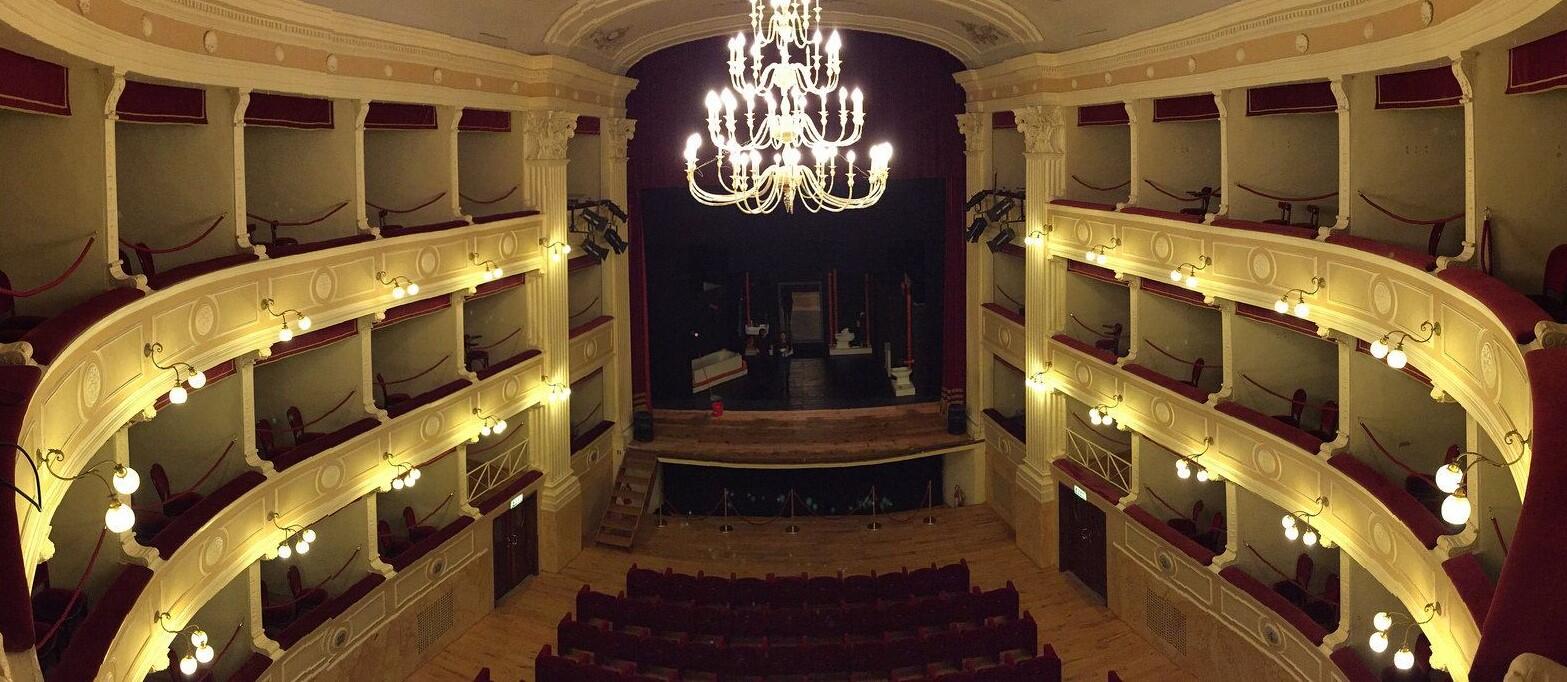
Theater of Mario Spina

The history of the Teatro Comunale begins at the end of the 16th century, when the Grand Duke of Tuscany Ferdinand I authorized the Podestà of Castiglion Fiorentino to start an Academy to perform comedies.

View More

La Pinacoteca Comunale

The Municipal Art Gallery of Castiglion Fiorentino is housed in the restored rooms of the ancient church of S. Angelo al Cassero

View More

Porta Perugina

Al termine di una ripida scalinata è disponibile l'accesso occidentale al fortilizio del Cassero

View More