POINT OF INTEREST  HISTORICAL BUILDINGS

Clock Tower

A large structure which, since the Middle Ages, marked the access to the Cassero

×

More information :

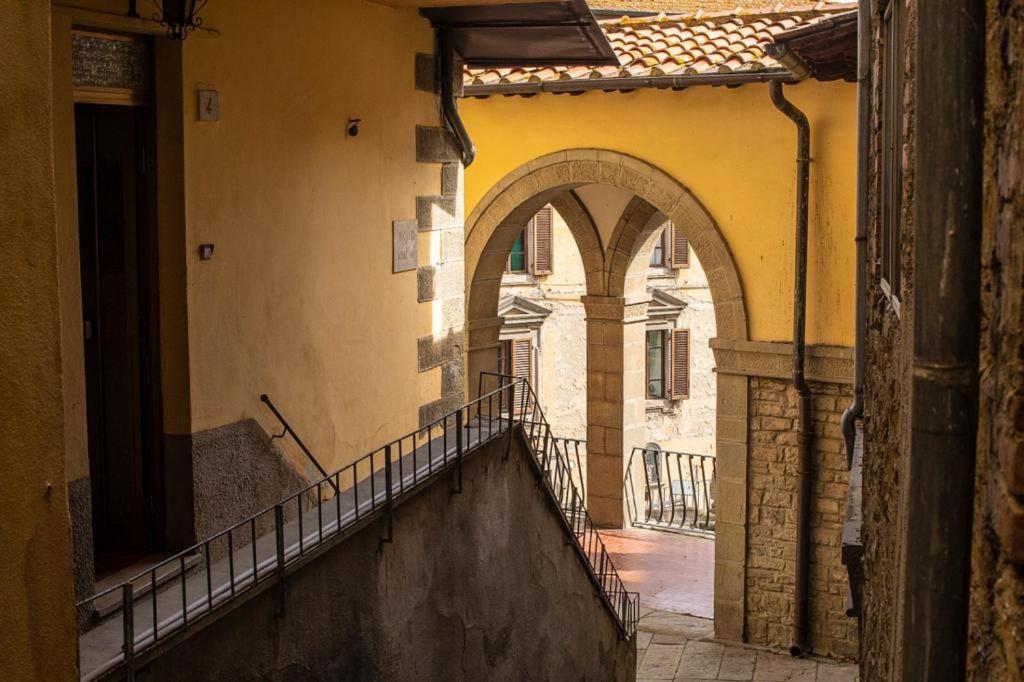
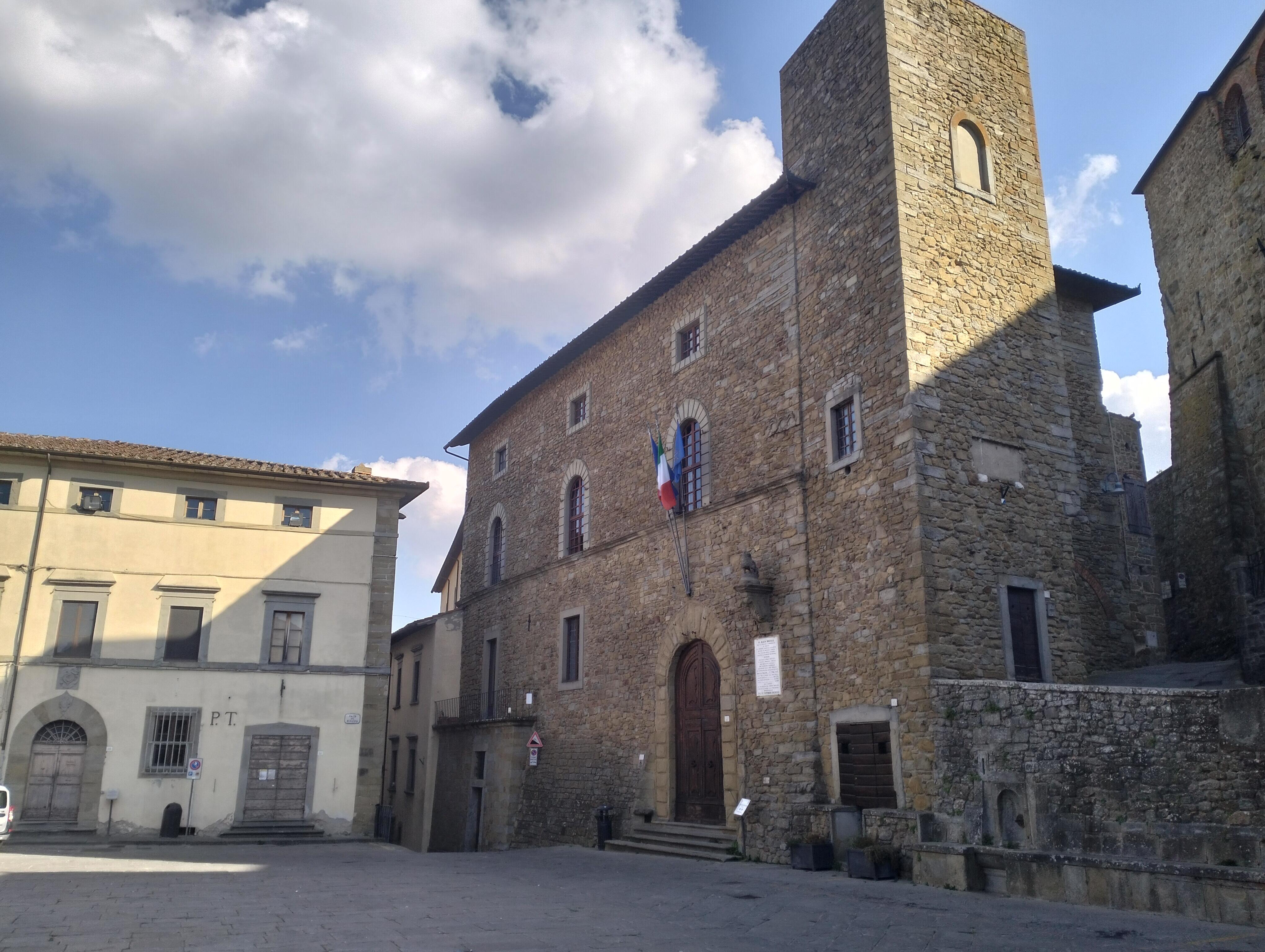
The steep ramp leading from Piazza del Municipio to the top of the hill is dominated by the massive Clock Tower, a large structure that, since the Middle Ages, marked the entrance to the Cassero. The building housed the Calfurnia, the large bell that would later be moved inside the more recent Cassero Tower; its sound marked the days, and in the evening, after its final tolls, anyone who committed evil or crimes incurred double the penalty.

The building, owned by the municipality, was sold in 1621 to the nuns of San Girolamo al Cassero with the obligation to maintain it in good condition. They built the sacristy there, overlooking the Church of Sant'Angelo. Externally, after an initial 17th-century restoration in 1779, two buttresses were needed to support the ancient masonry.

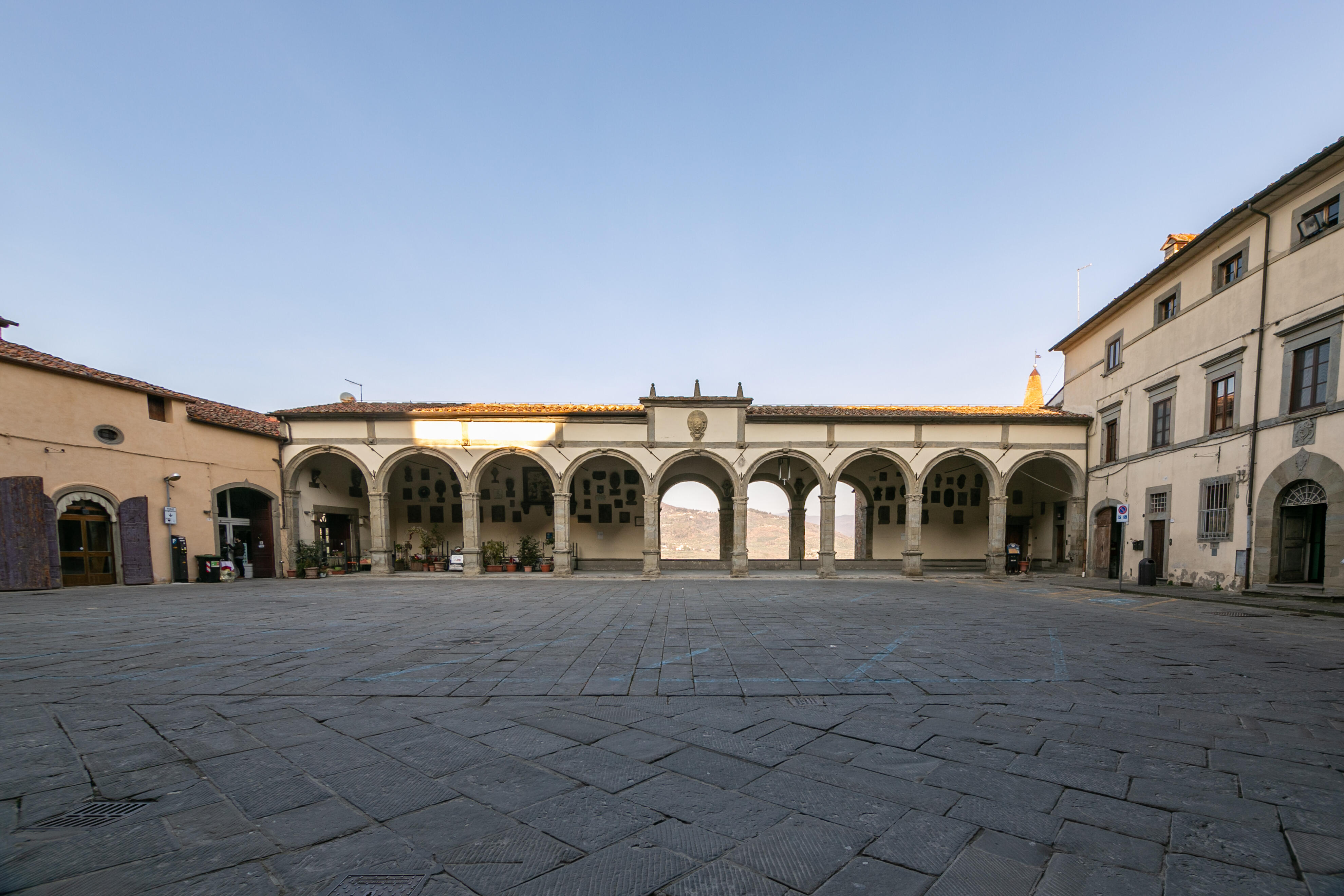
The loggia at the top of the tower houses the Pinacoteca Comunale's lapidary, containing coats of arms and inscriptions from the Cassero area. From here, you can enjoy an extraordinary view of the Piazza del Comune below and the Valle di Chio that opens up behind the Vasari Loggia.
How to Get Here

Address:

Piazza del Municipio 12
52043 Castiglion Fiorentino (AR)

View in Maps

Contacts

Below are our contacts through which you can reach us:

Share the page

Below are our references through which you can contact us:

You might also be interested in ...

Drag or swipe the images for a more immersive experience.

Loggiato Vasariano

In front of the Town Hall we find the so-called Vasari loggia: in reality the nine-arched construction, built on the occasion of the reconstruction of the current Town Hall square, dates back to 1513.

View More

Church of Jesus

The building, constructed by the Congregation of the Most Holy Sacrament between 1527 and 1545, is adjacent to the ancient Parish Church of San Giuliano (Pieve Vecchia).

View More

Porta Romana

Anciently called Porta San Michele or Cortonese, Porta Romana represents the southern access to the city

View More

Fondo Antico

It currently houses 12,800 volumes and is currently digitizing the most prestigious manuscripts and printed books.

View More

Palazzo Comunale

Political and administrative seat of Castiglion Fiorentino since the end of the 12th century, the Palazzo Comunale, or Palazzo San Michele, was rebuilt by the Perugians in 1375-76 and, subsequently, in 1489

View More

Church of Consolation

In the Middle Ages, at the foot of the village of Castiglion Fiorentino, there stood a small shrine containing an image of the Madonna and Child attributed to Luca Signorelli.

View More

Bonifica Trail

Along the Canale Maestro della Chiana you can follow an equipped cycle/pedestrian path of approximately 62 km that connects Arezzo with Chiusi

View More

Church of Sant'Agostino

View More

Romeo Germanica Trail

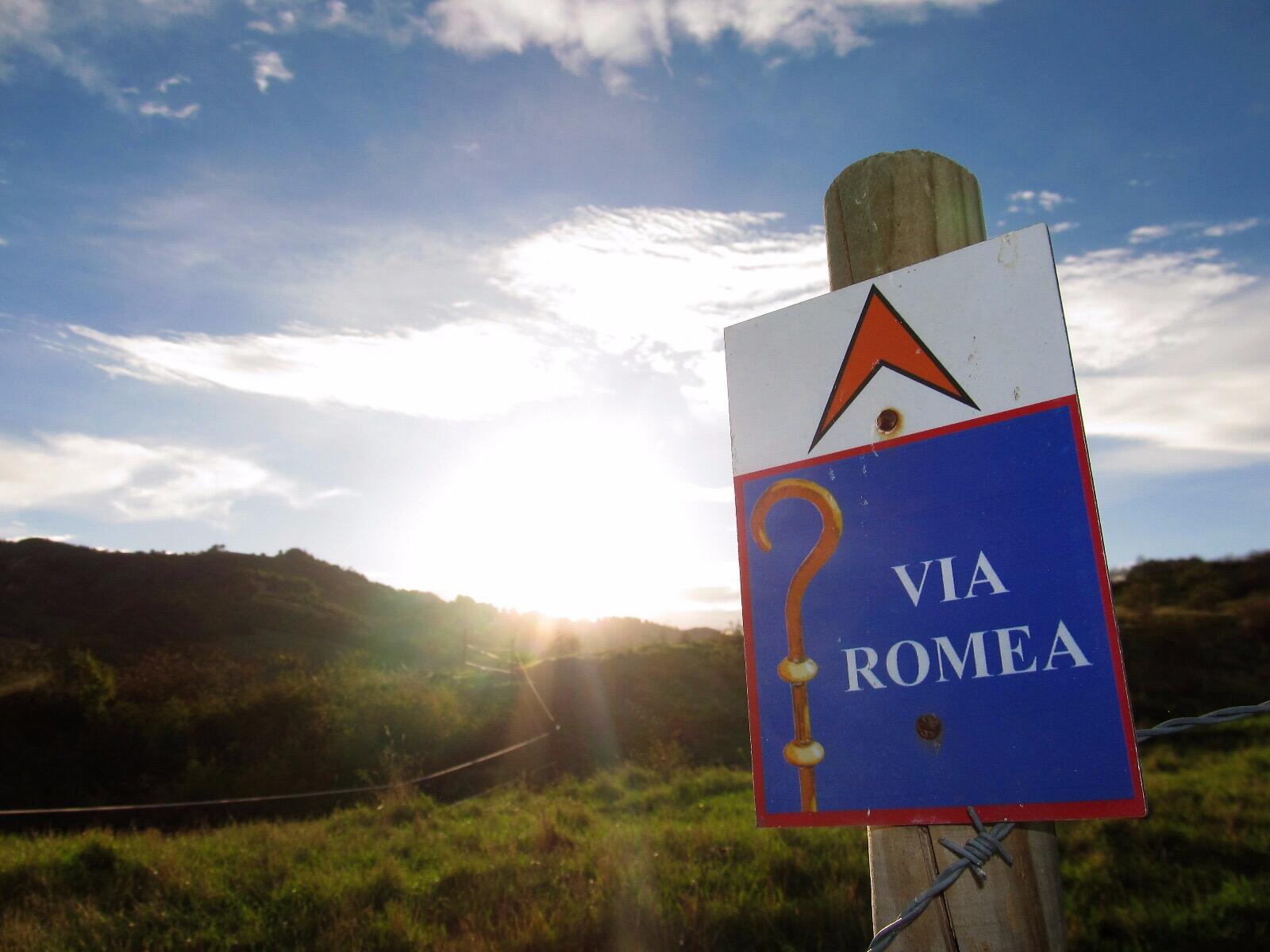
Castiglion Fiorentino is present within the Via Romea Germanica route as the arrival point of stage number 80

View More

Sanctuary of the Madonna del Bagno

Legend has it that Mary appeared to two young shepherdesses, asking them to build a chapel

View More