POINT OF INTEREST  CHURCHES

Collegiate Church of Saints Michael and Julian

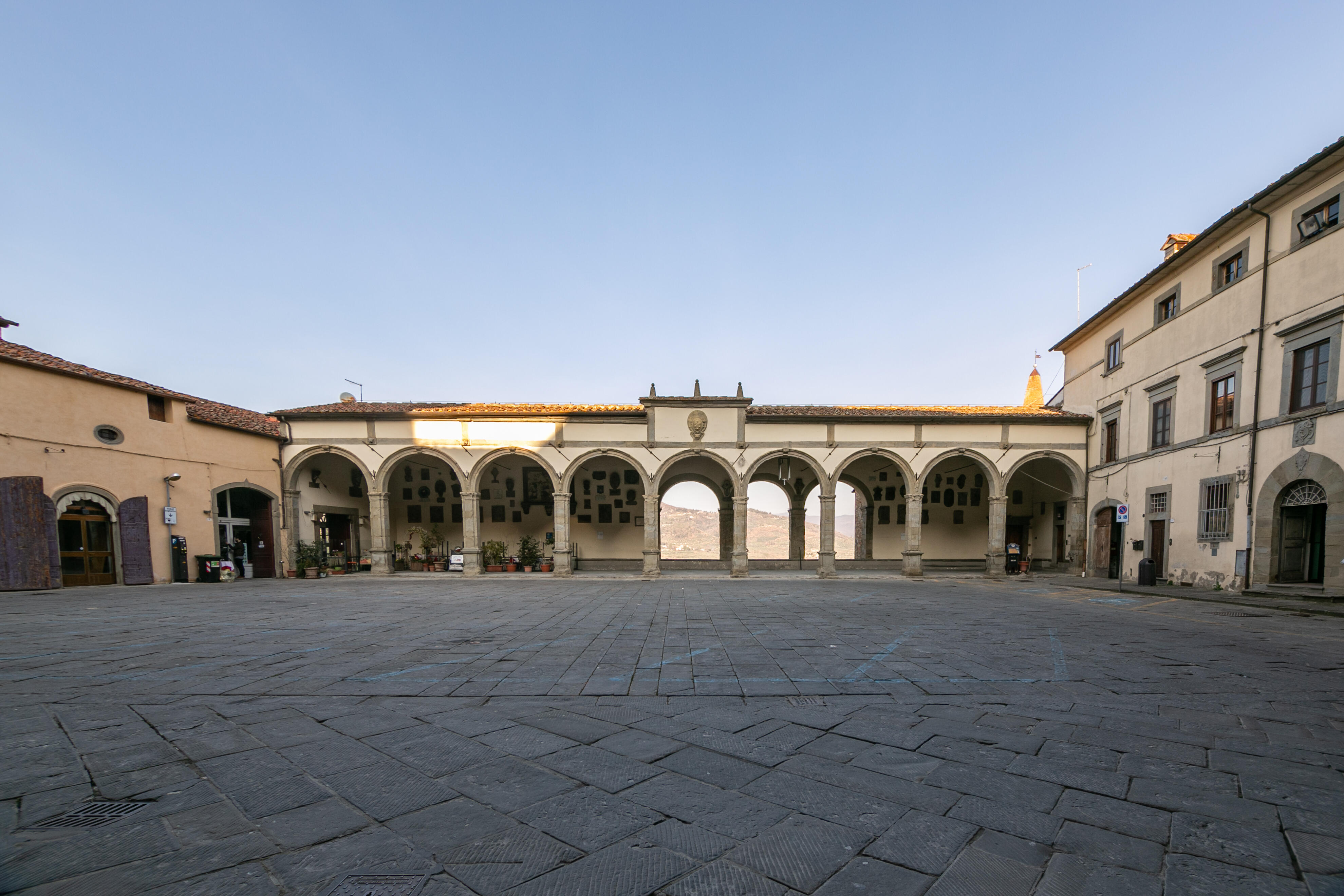
Stands out for its neoclassical structure and its loggia with massive columns resting on travertine bases.

×

More information :

Located in the square of the same name, the Collegiate Church of Saints Michael and Julian in Castiglion Fiorentino stands out for its neoclassical structure and its loggia with massive columns resting on travertine bases.

The area now occupied by the Collegiate Church of San Giuliano has undergone complex transformations over the centuries. In the second half of the 14th century, the Pieve di San Giuliano was a small three-nave structure that was rebuilt and expanded in 1452.

With the construction of the new adjacent Collegiate Church, the building was commonly called the "Old Pieve" and only the apse remained.

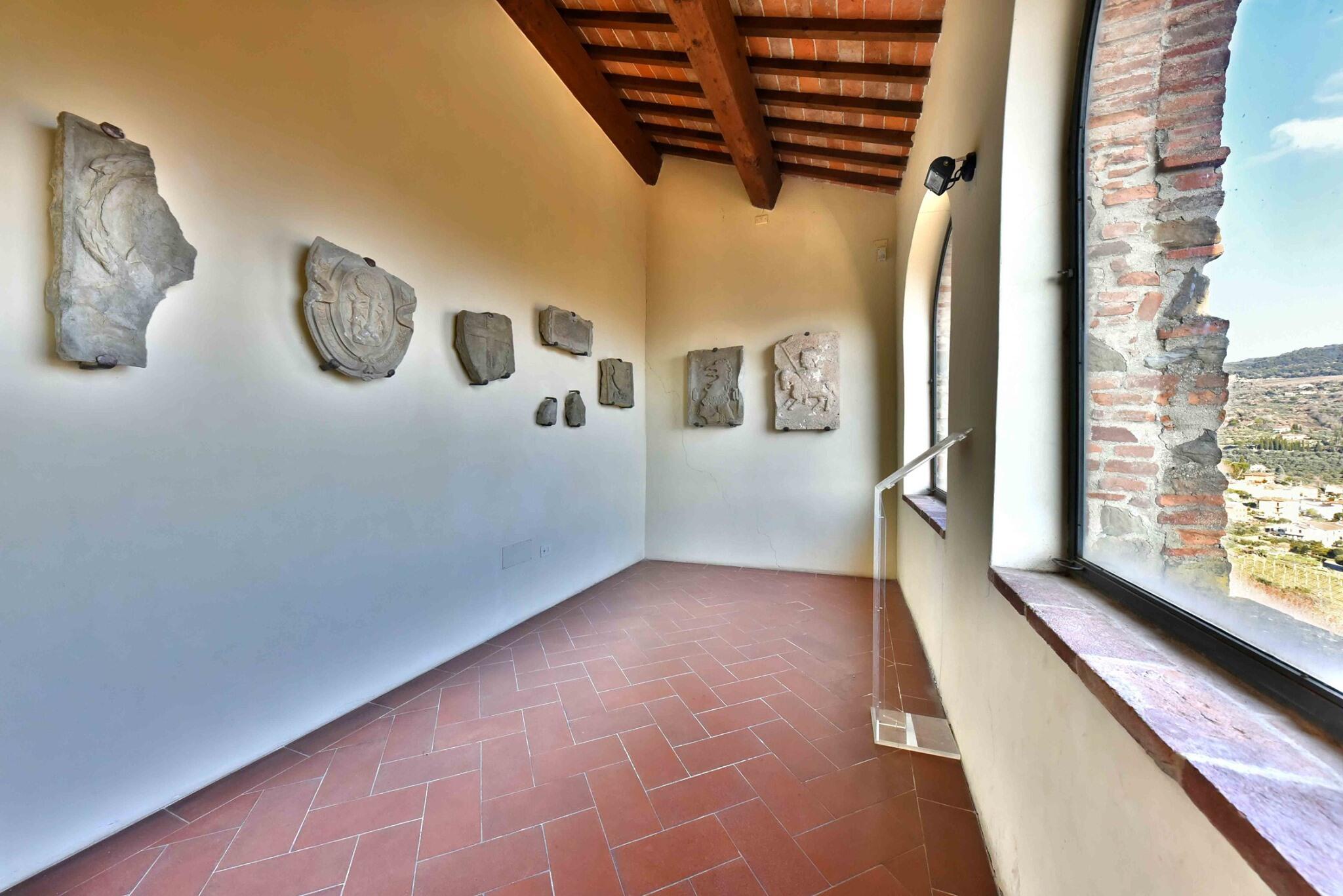
Since 2006, the Pieve di San Giuliano has been home to a vast collection of sacred art, boasting more than one hundred works from various sacred buildings in Castiglion Fiorentino: the Museum of the Pieve di San Giuliano.

In 1836, a fire caused by lightning destroyed the Pieve di San Giuliano, and it was decided to build a new church, the Collegiate Church of San Giuliano, which was placed orthogonally to the previous one, with its façade facing south.

Interiorly, it has a Latin cross plan with three naves and a barrel vault, divided by columns with stucco capitals; above the altar is a large dome with stucco decorations.

The interior of the Collegiate Church features twelve altars, each featuring a devotional work.

Noteworthy are the polychrome terracotta from the Della Robbia workshop depicting Saint Anthony the Abbot Blessing (1525); Bartolomeo della Gatta's masterpiece, Madonna Enthroned with Child and Saints Peter, Paul Julian, and Michael (1486); and the Adoration by Lorenzo di Credi, a Florentine artist and pupil of Verrocchio; A beautiful Maestà by Segna di Bonaventura, a Sienese painter born in the second half of the 13th century.

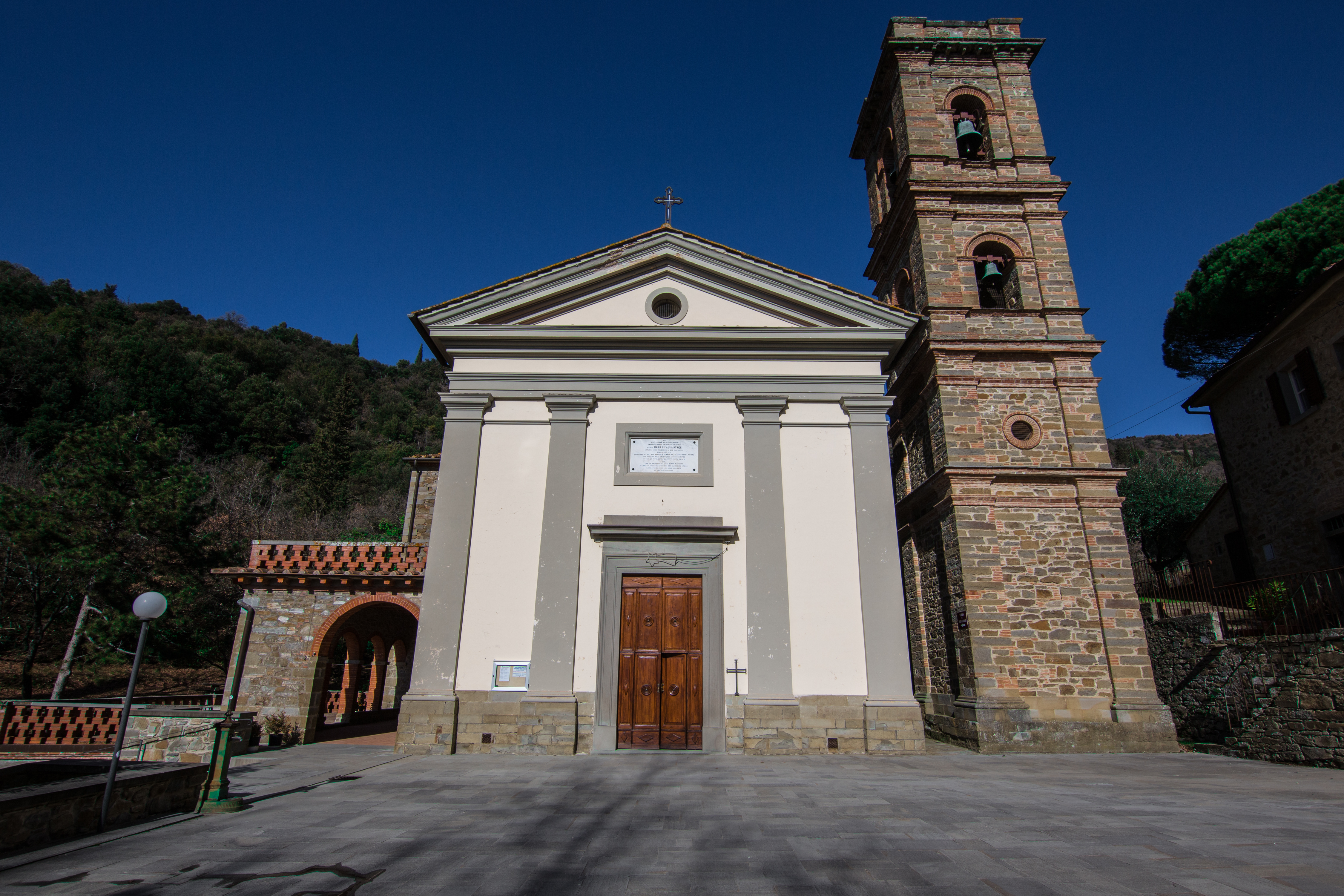
The loggia was completed in 1860, the dome in 1867, and the bell tower in 1930. Of notable value is the recently painted cross placed above the high altar, by an unknown artist and dating back to the 12th century.

How to Get Here

Address:

Piazza della Collegiata, 1, 52043 Castiglion Fiorentino AR
52043 Castiglion Fiorentino (Ar)

View in Maps

Share the page

Below are our references through which you can contact us:

You might also be interested in ...

Drag or swipe the images for a more immersive experience.

Church of the Good Death

The Company of Prayer and Death, or Company of the Good Death, was founded in 1572 to organize a service of prayer, transportation, and burial of the deceased.

View More

Clock Tower

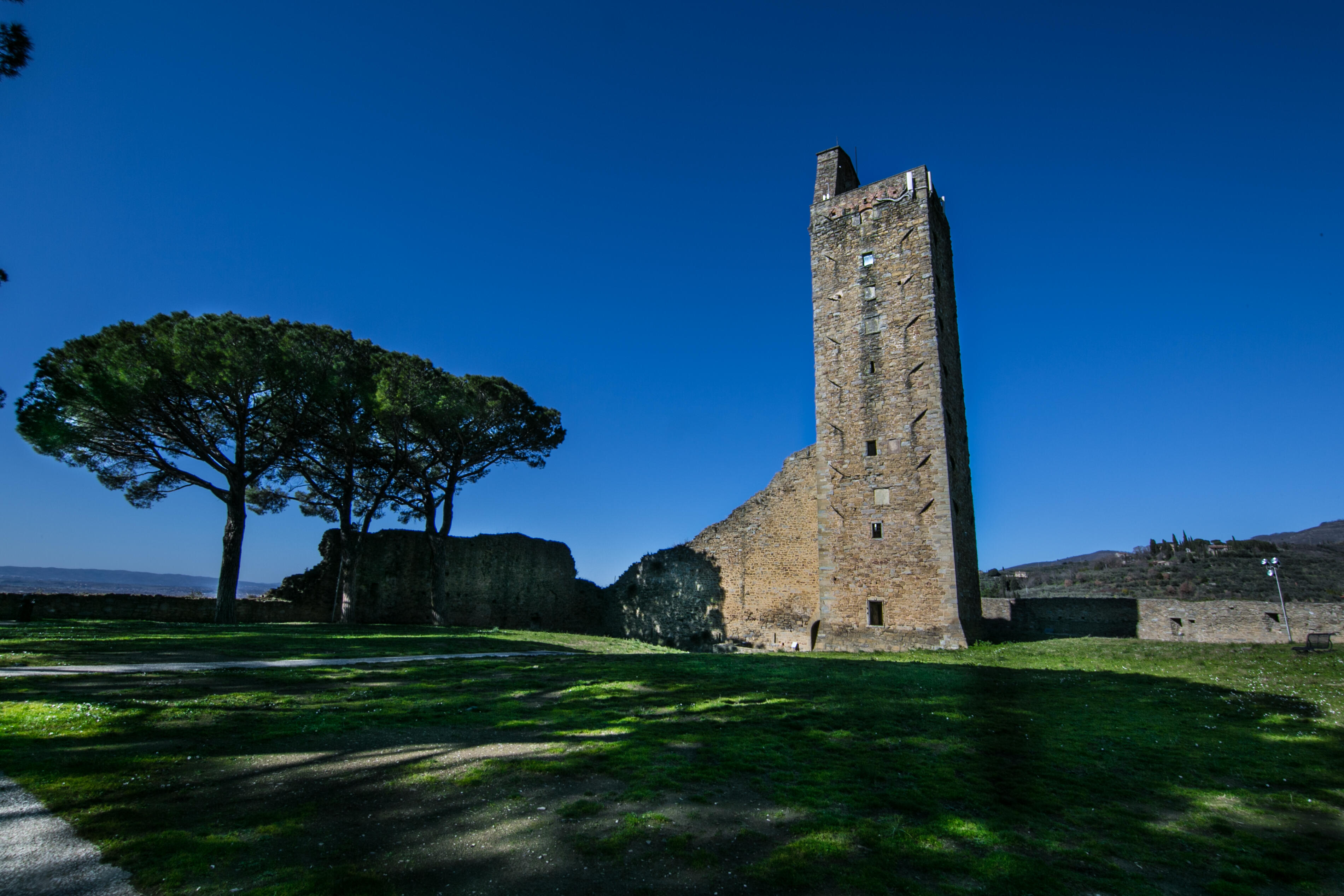
A large structure which, since the Middle Ages, marked the access to the Cassero

View More

Porta Romana

Anciently called Porta San Michele or Cortonese, Porta Romana represents the southern access to the city

View More

Sanctuary of the Madonna del Bagno

Legend has it that Mary appeared to two young shepherdesses, asking them to build a chapel

View More

Church of Sant'Angelo

Mentioned in written sources from 1147 onwards, the church of Sant'Angelo is the oldest building in the town.

View More

Castle of Montecchio Vesponi

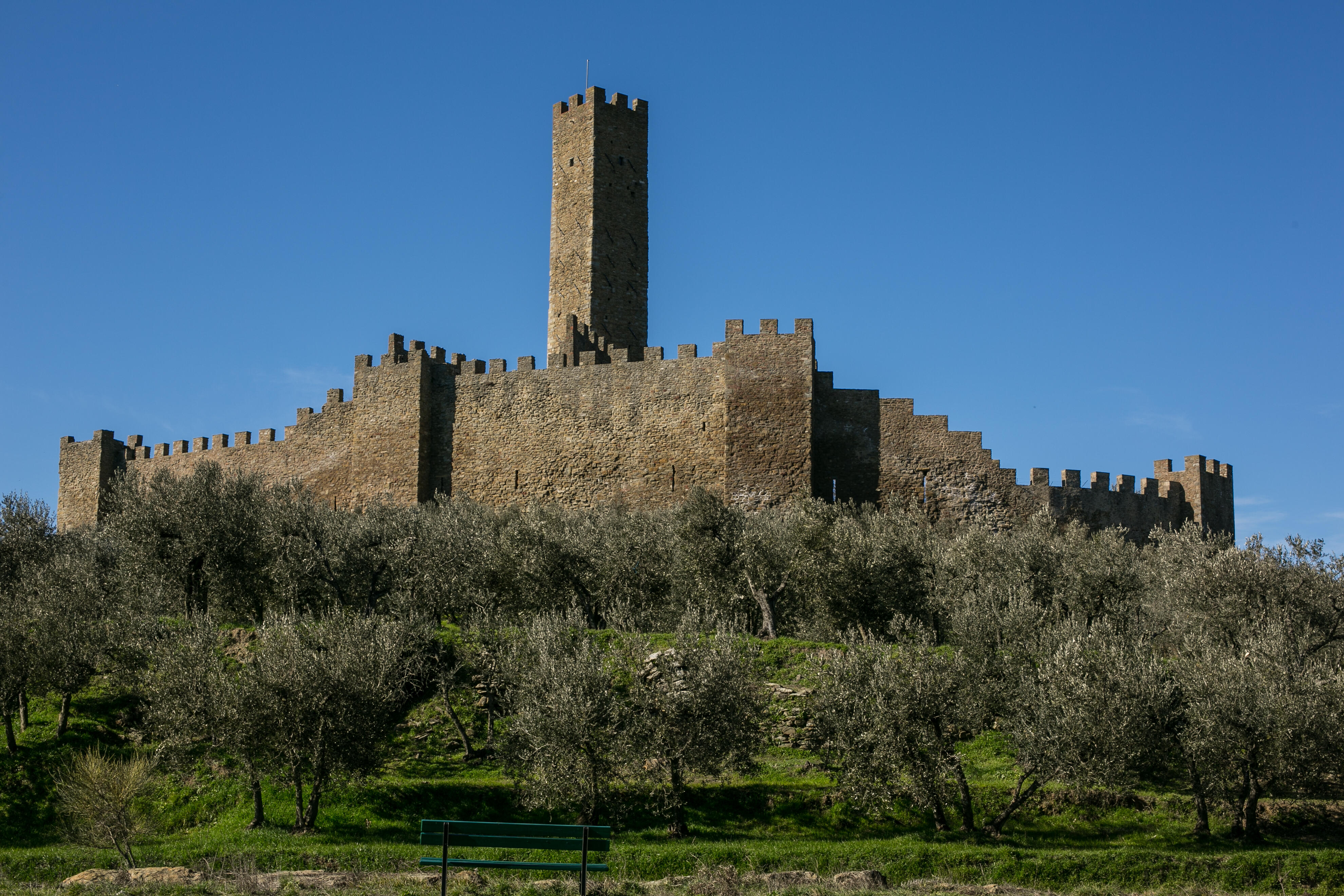
The Montecchio Vesponi Castle is one of the most evocative fortresses in all of Tuscany.

View More

Sanctuary of Santa Maria delle Grazie del Rivaio

The Sanctuary of Santa Maria delle Grazie in Castiglion Fiorentino stands in an area originally known as Rivaio, a name that emphasizes the presence of a small stream (rivus) that likely ran through the site.

View More

Church of San Francesco

The church, overlooking the square of the same name, was built by the Franciscans in the mid-13th century over a pre-existing 12th-century structure, first dedicated to San Salvatore and then to San Leonardo.

View More

Museo Archeologico

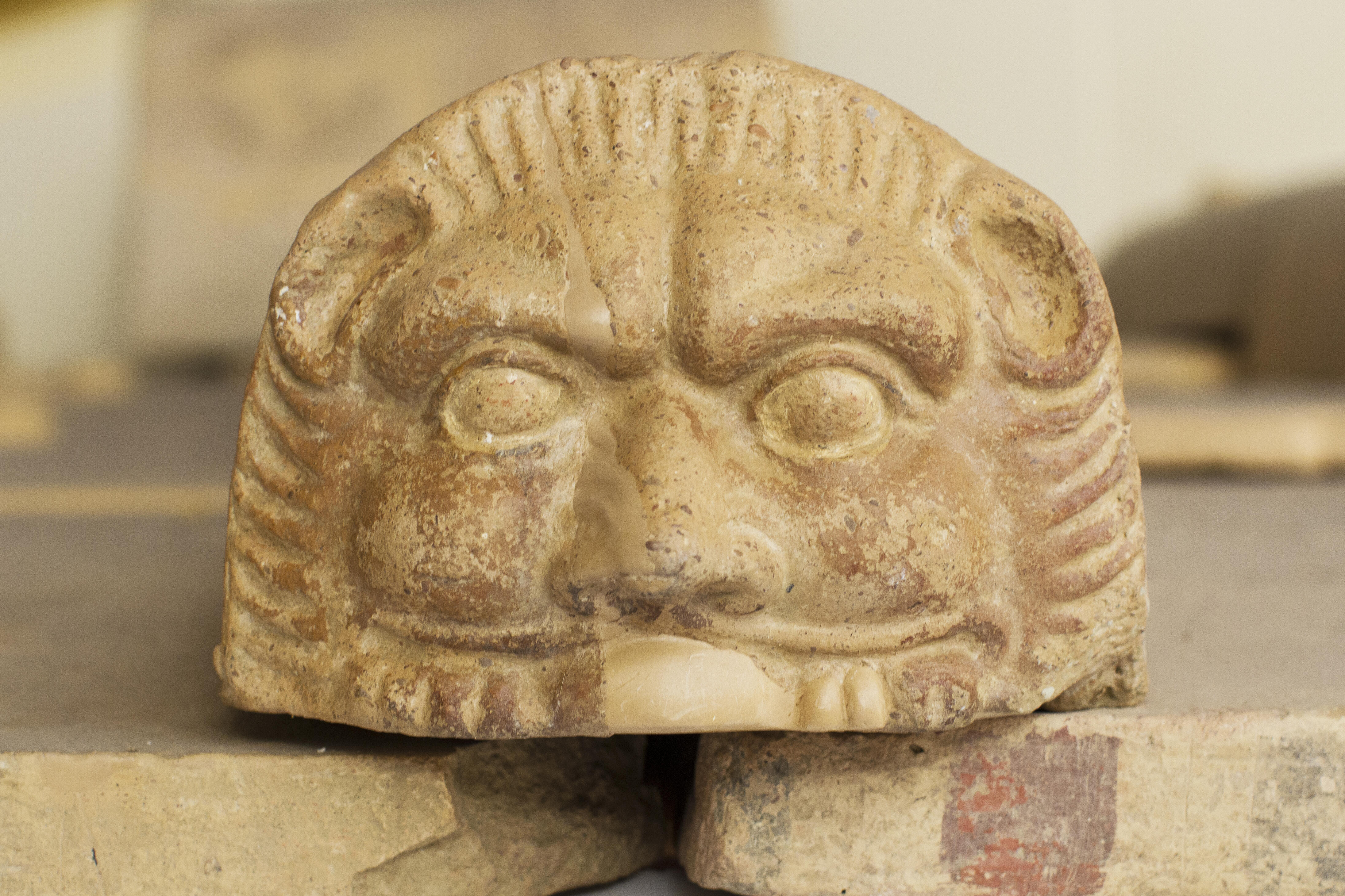
The Civic Archaeological Museum of Castiglion Fiorentino was founded in 2001 to exhibit the materials found during archaeological investigations carried out in the area

View More

Church of Consolation

In the Middle Ages, at the foot of the village of Castiglion Fiorentino, there stood a small shrine containing an image of the Madonna and Child attributed to Luca Signorelli.

View More