POINT OF INTEREST  HISTORICAL BUILDINGS

Cassero

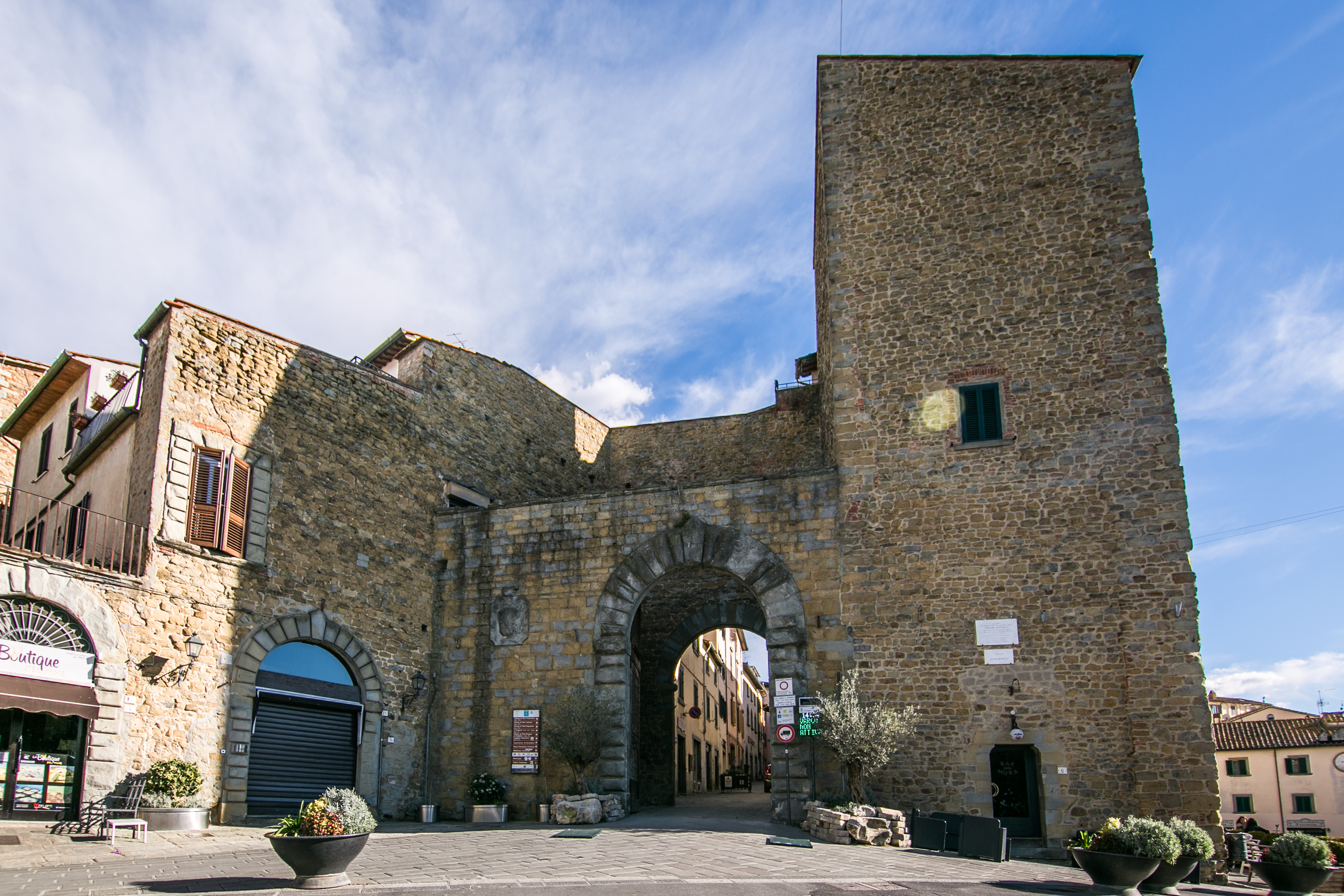
Located in the highest part of the town, the Cassero complex dominates the entire Valdichiana and still retains its medieval defensive structure.

×

More information :

Its unmistakable profile makes it the main landmark and the true symbol of Castiglion Fiorentino.

In the 8th century B.C., a village of huts occupied the hill, which was later surrounded by a defensive wall protecting the Etruscan acropolis. The current structure of the Cassero is the result of transformations that began in the 11th century, when the area became the site of a castle overseeing important routes, away from the marshy lowlands.

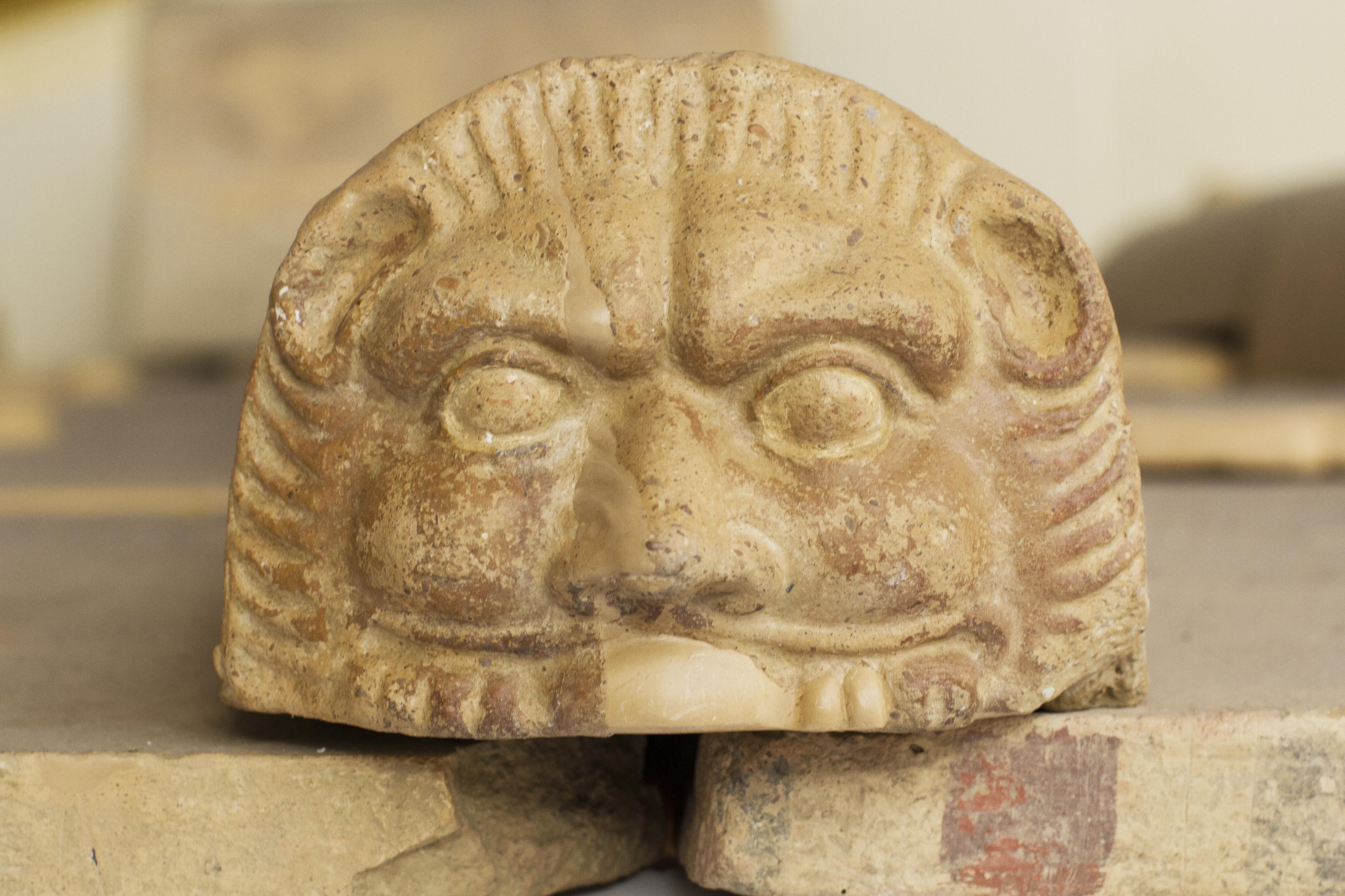
During the Hellenistic period, the residential area extended to the Casseretto (the last defensive stronghold of medieval Castiglione), as indicated by the discovery of Etruscan walls on the northern side and the remains of a Hellenistic house.

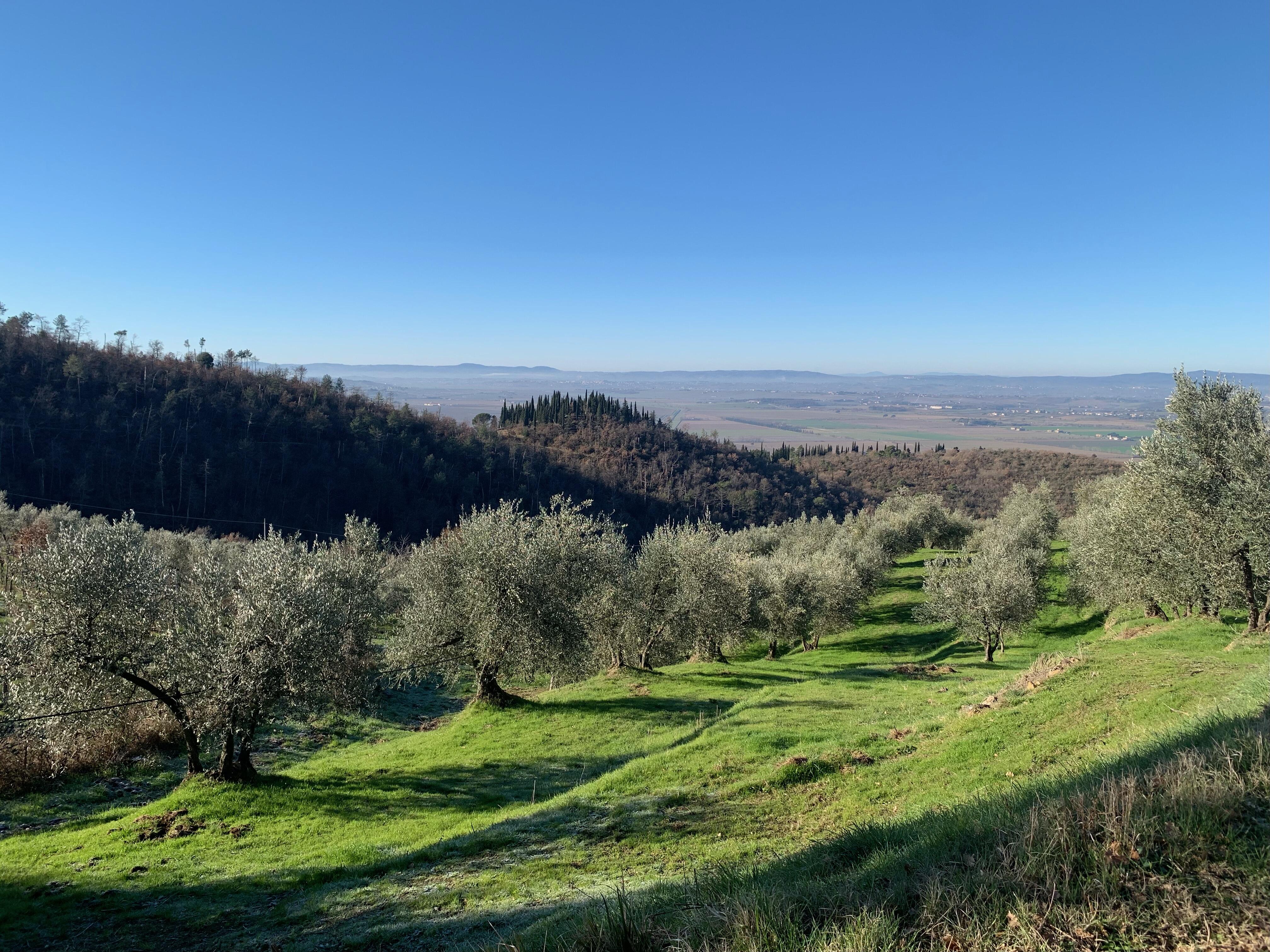
In the Cassero square stands the majestic Tower, built during the Perugian domination in the 14th century. The bell gable that holds the "Campana Grossa" (Great Bell) appears to be from a later period. On the southern side of the Casseretto, a round arch opens into the small inner courtyard, where an 18th-century staircase leads to the elevated level of the tower. Today, visitors can climb to the top of the tower (about 35 meters) and enjoy the stunning view of the old village and the landscapes of the Valdichiana and Val di Chio.

Next to the southern wall of the Casseretto is the gate known as the Porta Perugina or "Caditoia," made of rusticated sandstone blocks with a round arch. On the outside of the gate are three ancient coats of arms that recall the three historic dominations over Castiglion Fiorentino.

From the north-west corner of the Casseretto, a corridor begins—known as the "Muro dell’Ala" (Wing Wall)—which connects the fortress to the outer walls where the Porta and Torre del Soccorso (Gate and Tower of Relief) once stood.

How to Get Here

Address:

Via del Tribunale 8
52043 Castiglion Fiorentino (AR)

View in Maps

Contacts

Below are our contacts through which you can reach us:

Share the page

Below are our references through which you can contact us:

You might also be interested in ...

Drag or swipe the images for a more immersive experience.

Palazzo Comunale

Political and administrative seat of Castiglion Fiorentino since the end of the 12th century, the Palazzo Comunale, or Palazzo San Michele, was rebuilt by the Perugians in 1375-76 and, subsequently, in 1489

View More

Church of Sant'Angelo

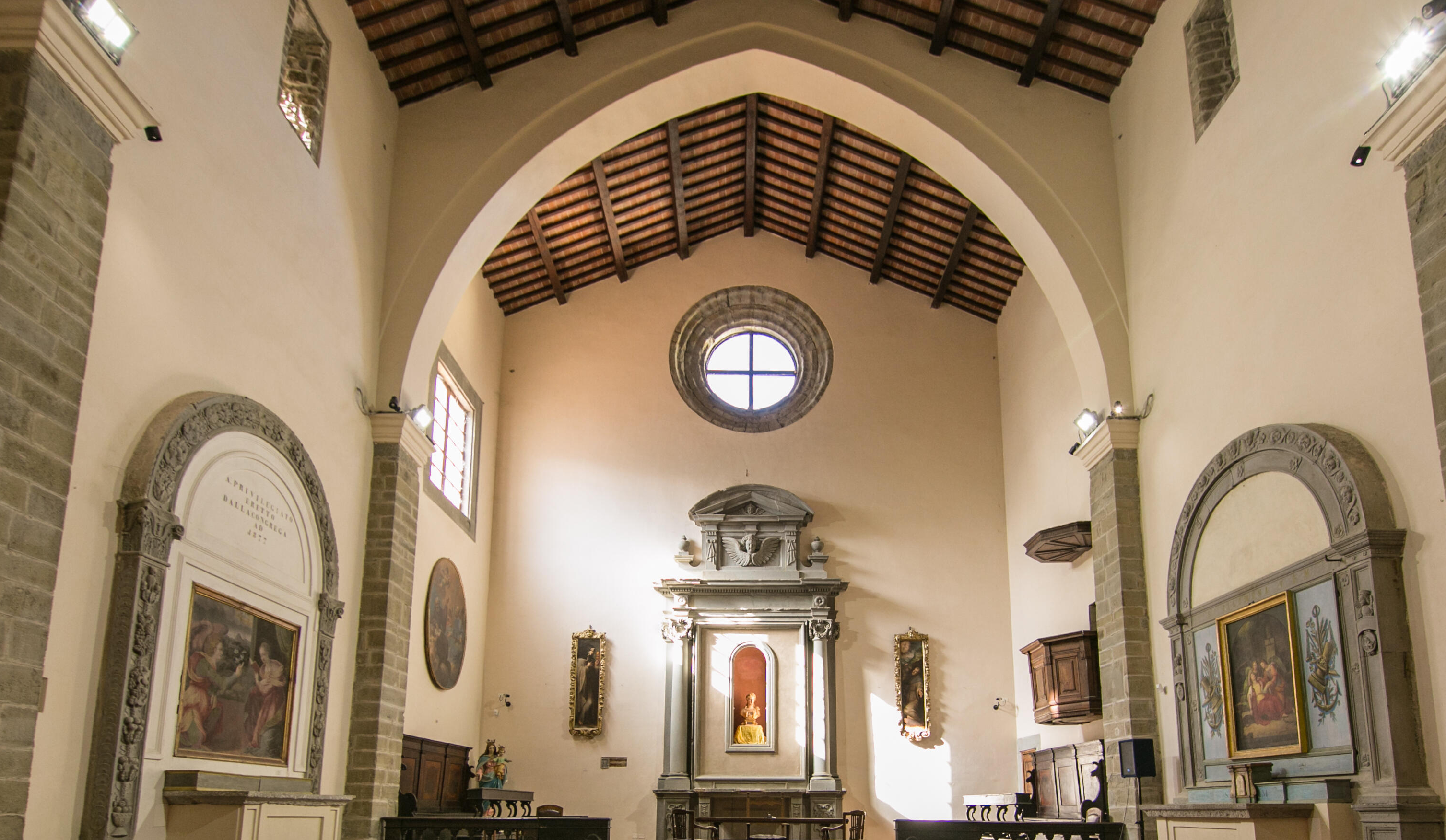
Mentioned in written sources from 1147 onwards, the church of Sant'Angelo is the oldest building in the town.

View More

Church of Consolation

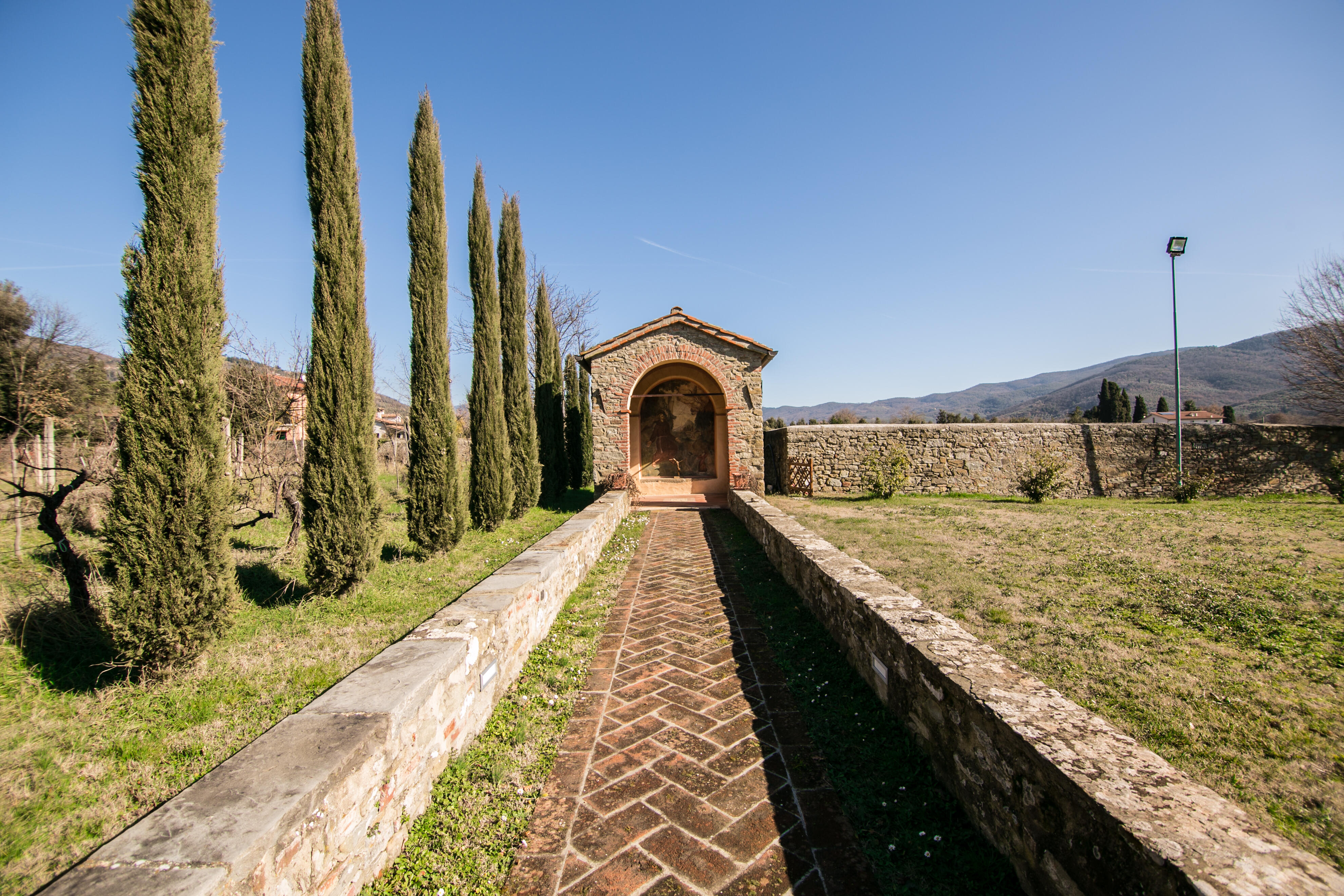
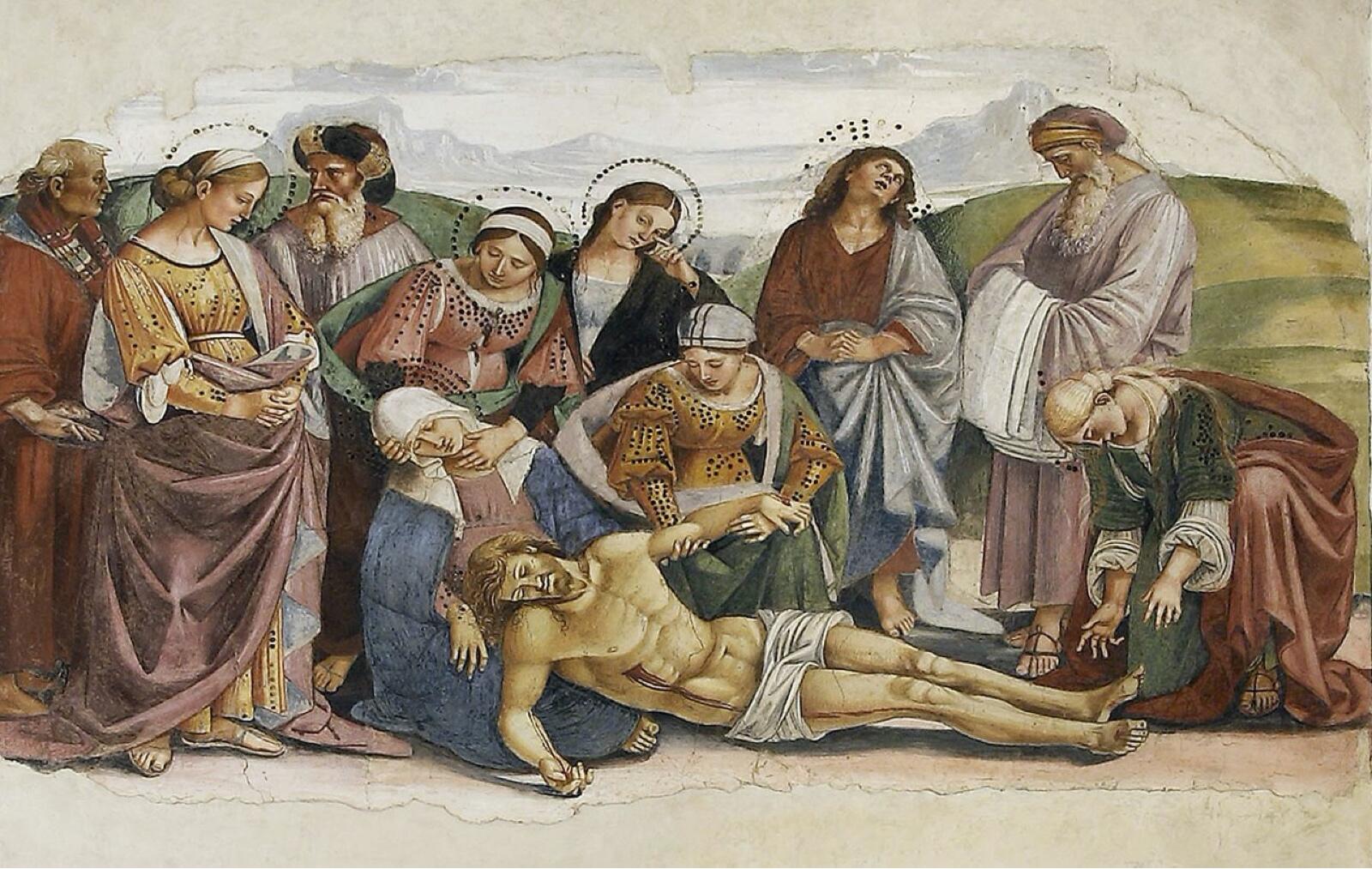
In the Middle Ages, at the foot of the village of Castiglion Fiorentino, there stood a small shrine containing an image of the Madonna and Child attributed to Luca Signorelli.

View More

Church of Sant'Agostino

View More

Parish Church of Saints Hippolytus and Cassian in Retina

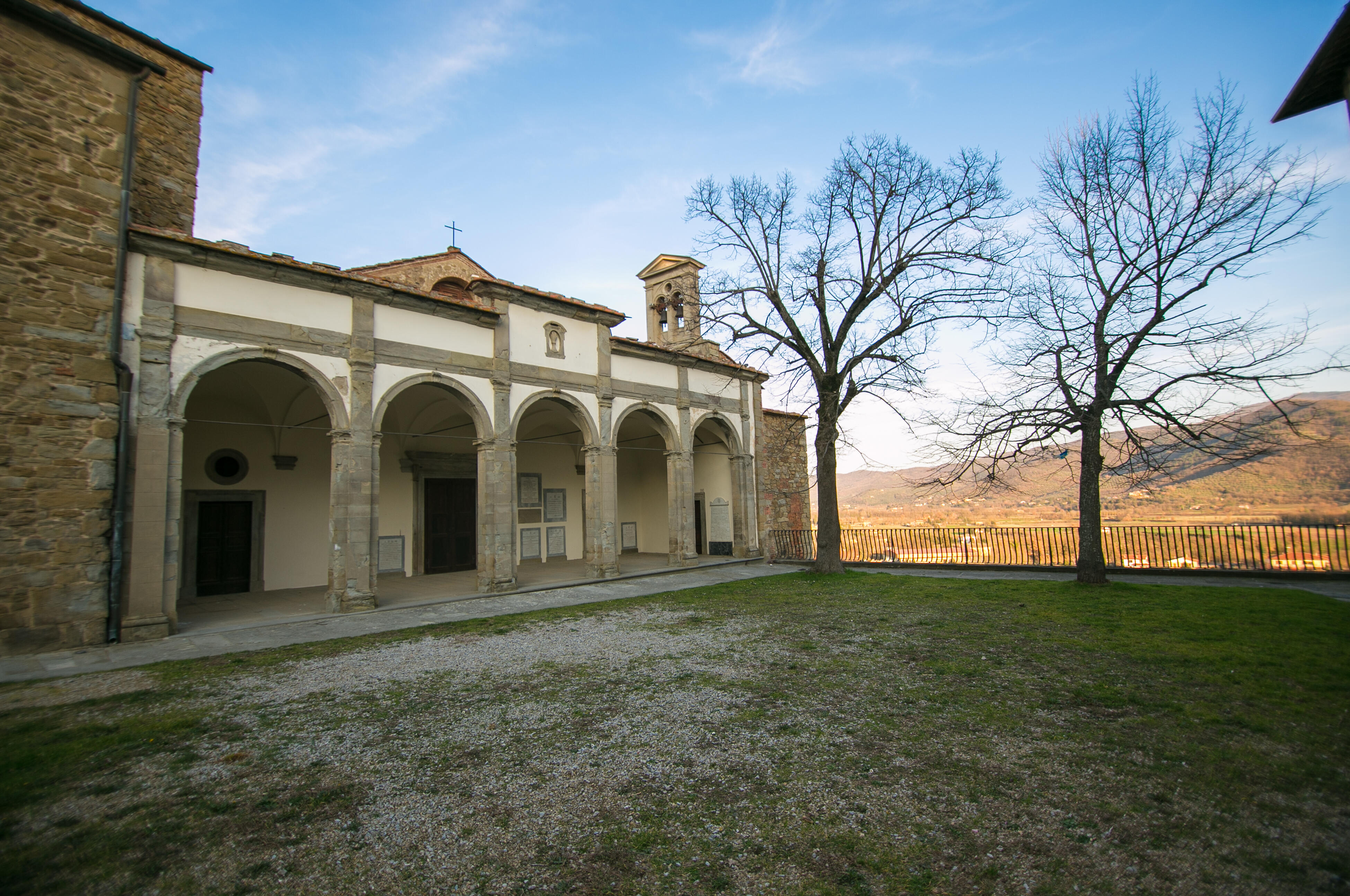
The Parish Church of Saints Hippolytus and Cassian in Retina, now the Capuchin Church, is located in Pieve a Retina, Castiglion Fiorentino.

View More

Porta Perugina

Al termine di una ripida scalinata è disponibile l'accesso occidentale al fortilizio del Cassero

View More

Clock Tower

A large structure which, since the Middle Ages, marked the access to the Cassero

View More

Romeo Germanica Trail

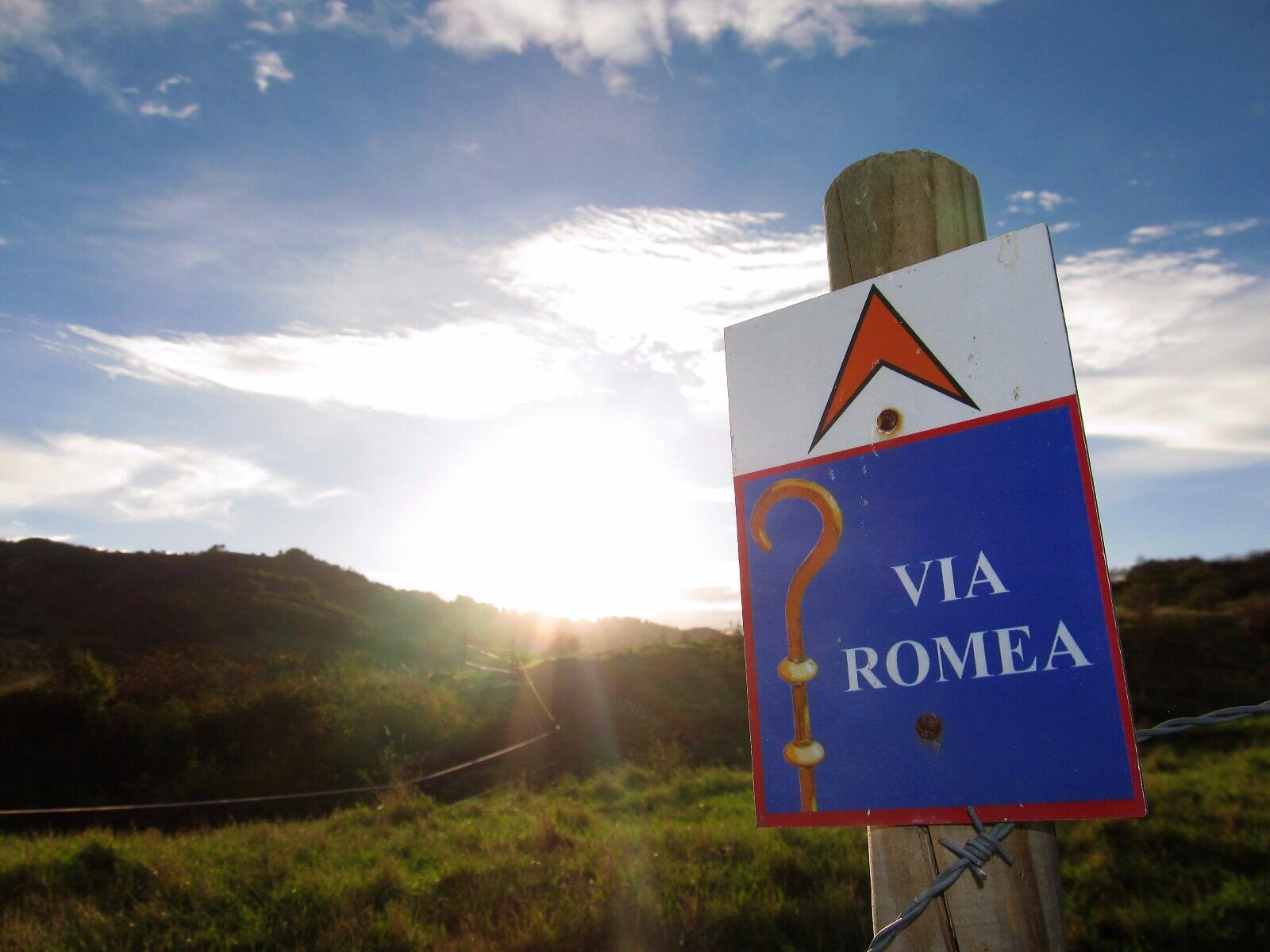
Castiglion Fiorentino is present within the Via Romea Germanica route as the arrival point of stage number 80

View More

Theater of Mario Spina

The history of the Teatro Comunale begins at the end of the 16th century, when the Grand Duke of Tuscany Ferdinand I authorized the Podestà of Castiglion Fiorentino to start an Academy to perform comedies.

View More

Church of San Francesco

The church, overlooking the square of the same name, was built by the Franciscans in the mid-13th century over a pre-existing 12th-century structure, first dedicated to San Salvatore and then to San Leonardo.

View More