POINT OF INTEREST  MONUMENTS

Porta Fiorentina

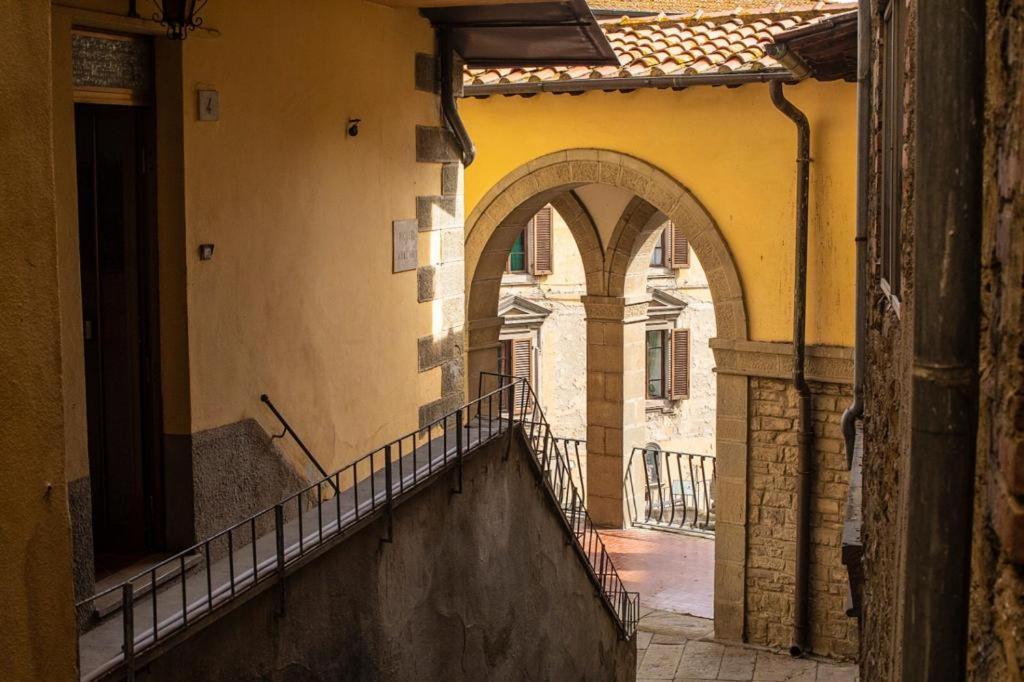
Porta Fiorentina, which constitutes the entrance to the northern area of ​​the historic centre, is located in what, in ancient times, was called Terziere di Mercato.

×

More information :

When the Pisans, between 1250 and 1260, extended their city walls to encircle the area known as Colle del Paradiso, now Piazza San Francesco, they also created the opening then known as Porta del Mercato or Porta Santa Maria.

This access point consists of a double gate: past the outer gate, a large ashlar sandstone portal described in historical records as the "external gate of Santa Maria," there's an inner opening with three arches topped by a rather worn image of Saint Michael, the city's patron saint. On the wall of the gate facing Corso Italia, under a gabled roof, there's a mid-19th-century fresco depicting the Immaculate Conception.

In this area, as outside Porta Sant’ Angelo, there was also an enclosure (a "serraglio") to compel travelers to pay customs duties, and "caselle" (small shelters) for guards and toll collectors. To defend the northern section of the city walls, there were several towers, one of which, the Torre degli Assi, is currently occupied by a bar. This structure was so named because it was surrounded by scaffolding built with large wooden planks, of which today only the large stone corbels that supported them remain.

The tower, originally more imposing than it appears today, was lowered in the 18th century and covered with a single-pitched roof. Interventions from this period also included the demolition of the adjacent city walls, aimed at recovering building materials and creating overlooks and terraces facing the valley "to have light and see the view."
How to Get Here

Address:

Piazza Giacomo Matteotti
52043 Castiglion Fiorentino (AR)

View in Maps

Share the page

Below are our references through which you can contact us:

You might also be interested in ...

Drag or swipe the images for a more immersive experience.

Porta Romana

Anciently called Porta San Michele or Cortonese, Porta Romana represents the southern access to the city

View More

Church of Sant'Angelo

Mentioned in written sources from 1147 onwards, the church of Sant'Angelo is the oldest building in the town.

View More

La Pinacoteca Comunale

The Municipal Art Gallery of Castiglion Fiorentino is housed in the restored rooms of the ancient church of S. Angelo al Cassero

View More

Museo Archeologico

The Civic Archaeological Museum of Castiglion Fiorentino was founded in 2001 to exhibit the materials found during archaeological investigations carried out in the area

View More

Walks of Saint Francis

The Ways of St. Francis in Tuscany are a nearly 300-kilometer path that leads pilgrims and travelers to places linked to key episodes in the life of the Saint.

View More

Palazzo Comunale

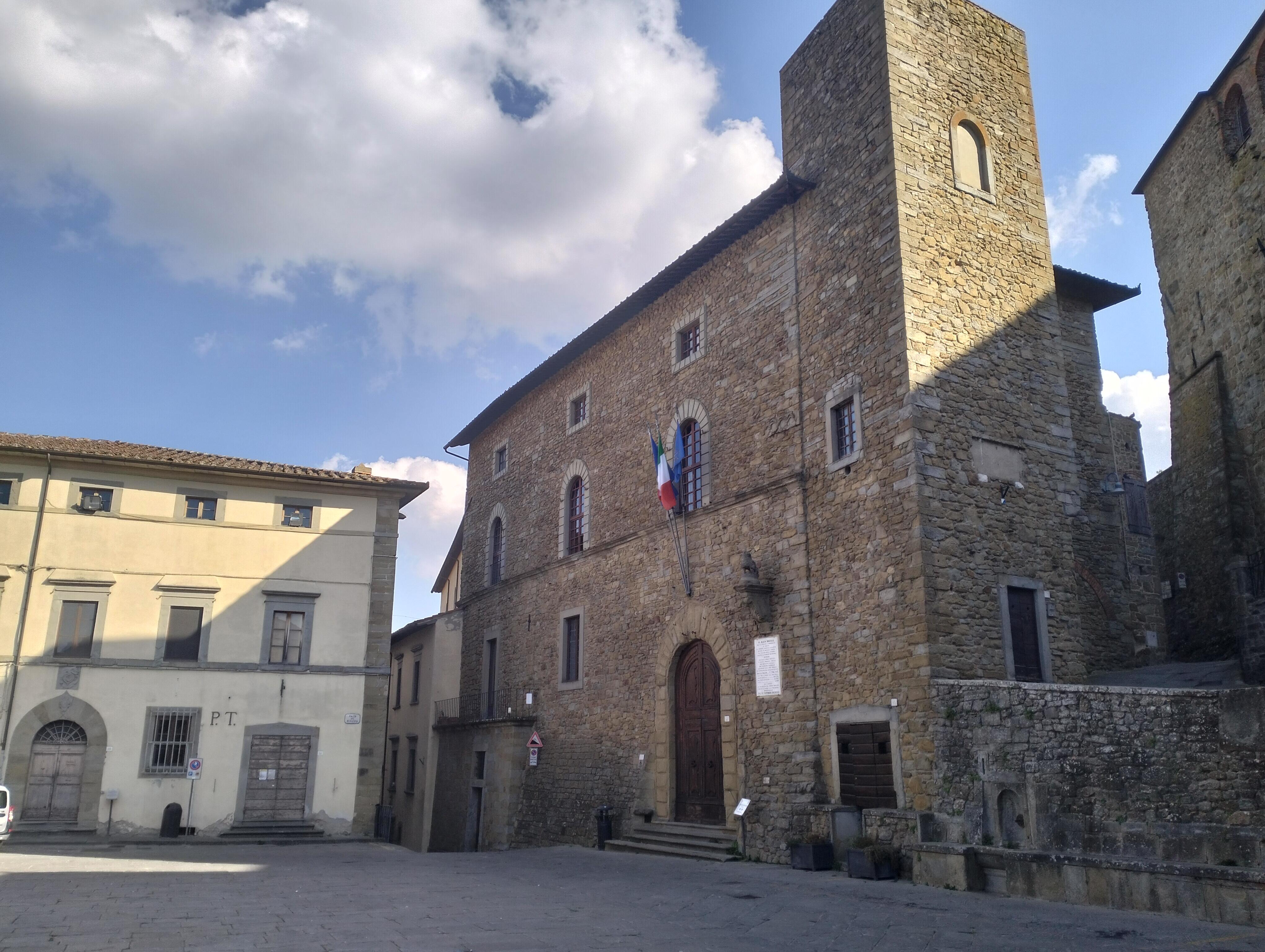
Political and administrative seat of Castiglion Fiorentino since the end of the 12th century, the Palazzo Comunale, or Palazzo San Michele, was rebuilt by the Perugians in 1375-76 and, subsequently, in 1489

View More

Church of Consolation

In the Middle Ages, at the foot of the village of Castiglion Fiorentino, there stood a small shrine containing an image of the Madonna and Child attributed to Luca Signorelli.

View More

Parish Church of Saints Hippolytus and Cassian in Retina

The Parish Church of Saints Hippolytus and Cassian in Retina, now the Capuchin Church, is located in Pieve a Retina, Castiglion Fiorentino.

View More

Porta Perugina

Al termine di una ripida scalinata è disponibile l'accesso occidentale al fortilizio del Cassero

View More

Bonifica Trail

Along the Canale Maestro della Chiana you can follow an equipped cycle/pedestrian path of approximately 62 km that connects Arezzo with Chiusi

View More