POINT OF INTEREST  MONUMENTS

Loggiato Vasariano

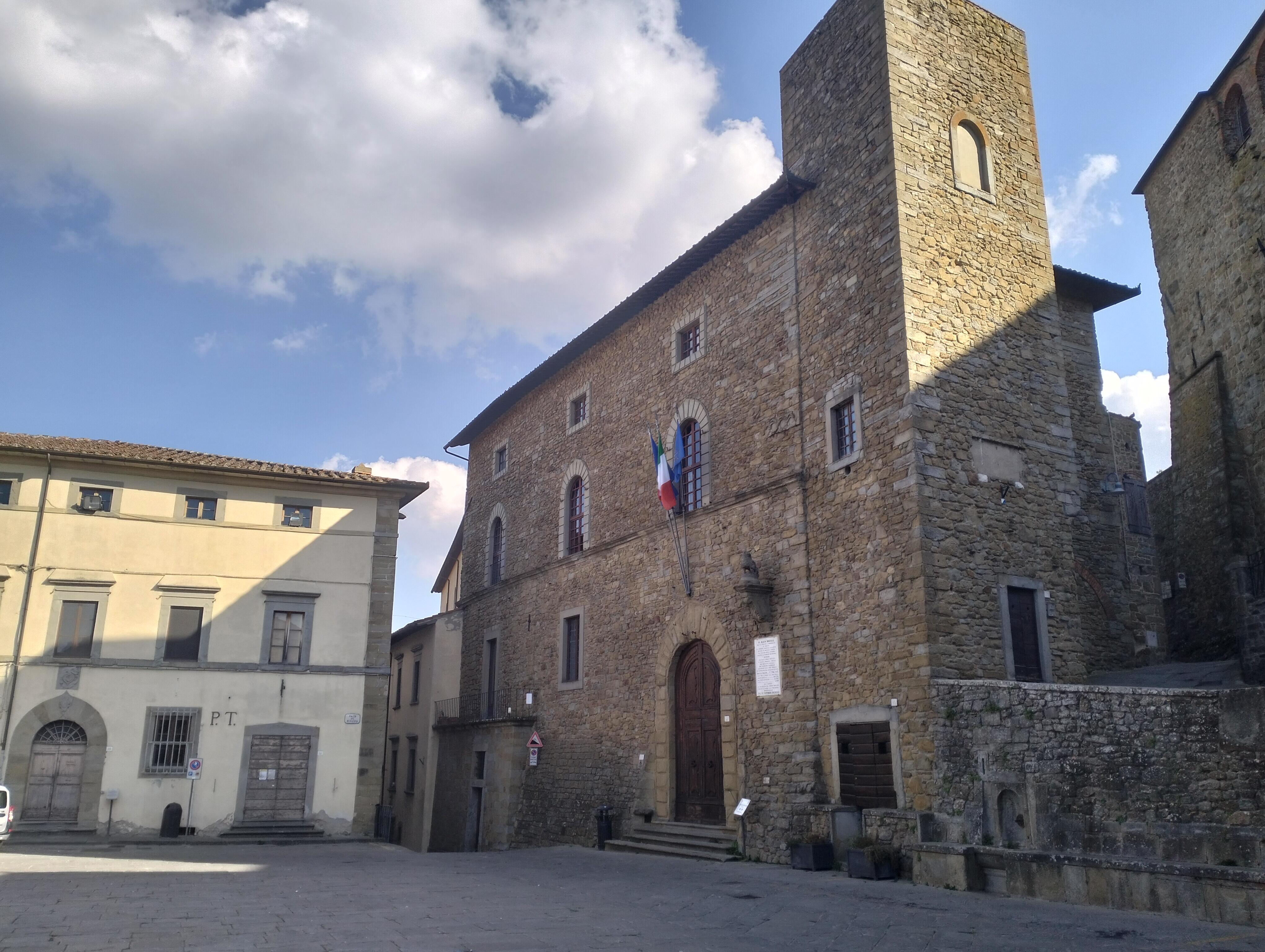
In front of the Town Hall we find the so-called Vasari loggia: in reality the nine-arched construction, built on the occasion of the reconstruction of the current Town Hall square, dates back to 1513.

×

More information :

In front of the Town Hall we find the so-called Vasari loggia: in reality the nine-arched construction, built on the occasion of the renovation of the current Town Hall square, dates back to 1513. The architects of the construction were Bernardo di Ghieba and Filippo da Bellinzona, while the traditional attribution to Vasari is justified by the restoration work carried out between 1560 and 1570, the period in which the Medici coat of arms was placed.

In 1773, for static reasons, the three arches on the Val di Chio were walled up, then reopened, at the request of the population, in 1922. On the closed sides of the loggia you can see the coats of arms of the Commissioners and the Podestà, some of which are polychrome, in Robbiana terracotta or sandstone.

The three stone arches represent a true window on the Val di Chio, a wonderful green valley protected by terraced hills; These face south and are mainly used for olive growing, being located in an area particularly suited to this type of cultivation.
How to Get Here

Address:

Piazza del Municipio
52043 Castiglion Fiorentino (AR)

View in Maps

Share the page

Below are our references through which you can contact us:

You might also be interested in ...

Drag or swipe the images for a more immersive experience.

Parish Church of Saints Hippolytus and Cassian in Retina

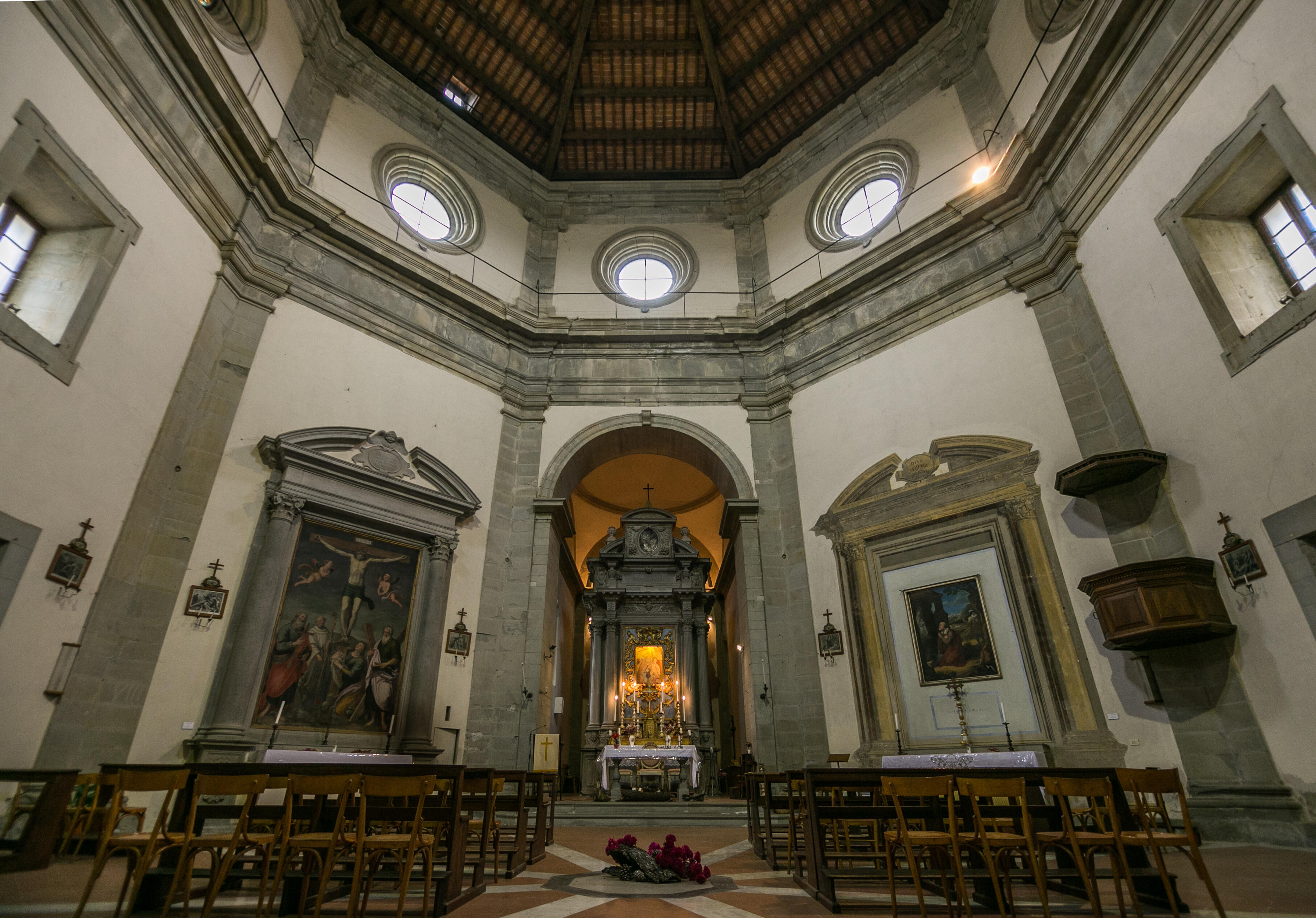
The Parish Church of Saints Hippolytus and Cassian in Retina, now the Capuchin Church, is located in Pieve a Retina, Castiglion Fiorentino.

View More

Palazzo Comunale

Political and administrative seat of Castiglion Fiorentino since the end of the 12th century, the Palazzo Comunale, or Palazzo San Michele, was rebuilt by the Perugians in 1375-76 and, subsequently, in 1489

View More

Museo Archeologico

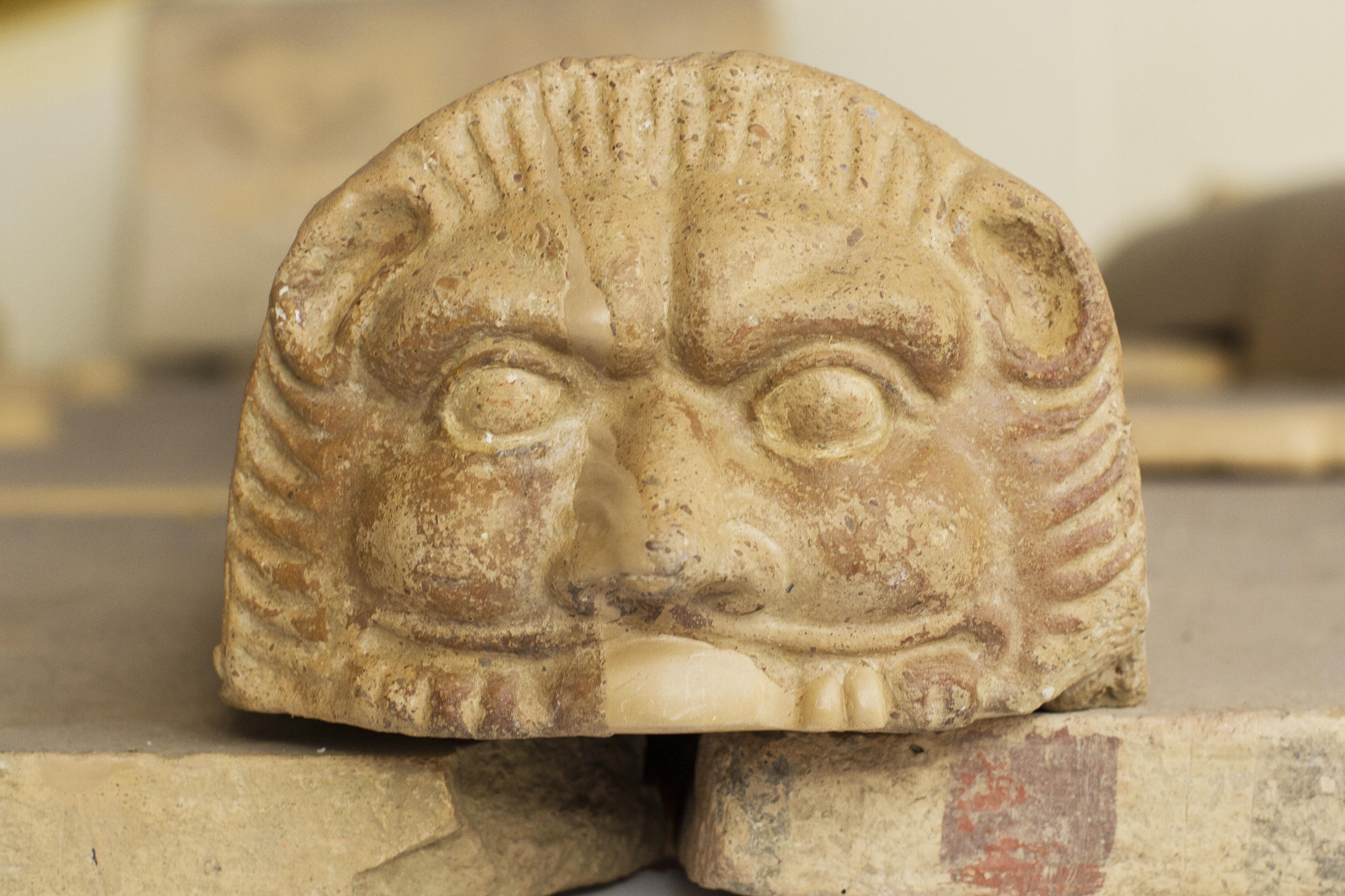
The Civic Archaeological Museum of Castiglion Fiorentino was founded in 2001 to exhibit the materials found during archaeological investigations carried out in the area

View More

Church of Consolation

In the Middle Ages, at the foot of the village of Castiglion Fiorentino, there stood a small shrine containing an image of the Madonna and Child attributed to Luca Signorelli.

View More

Church of the Good Death

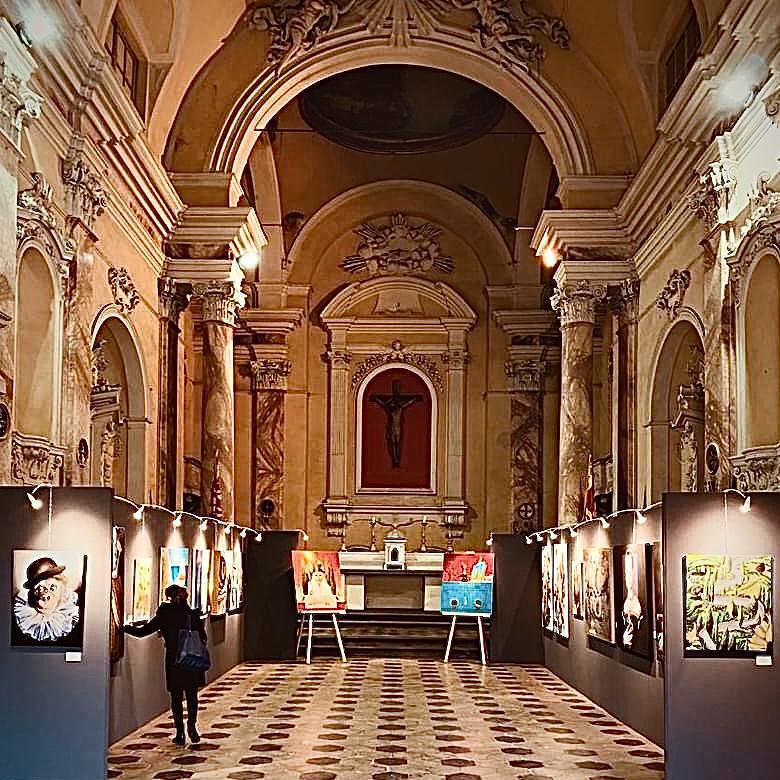
The Company of Prayer and Death, or Company of the Good Death, was founded in 1572 to organize a service of prayer, transportation, and burial of the deceased.

View More

Castle of Montecchio Vesponi

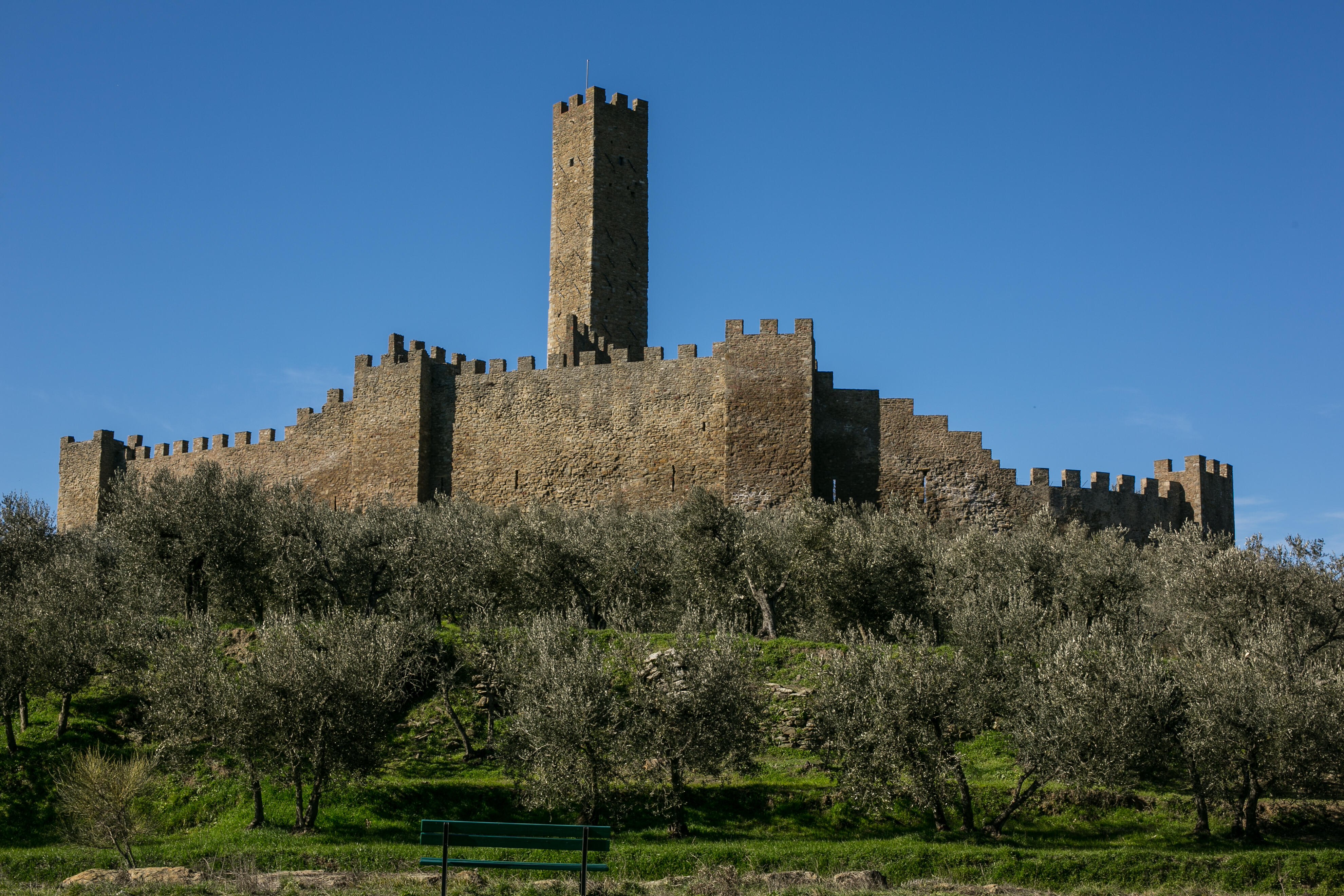
The Montecchio Vesponi Castle is one of the most evocative fortresses in all of Tuscany.

View More

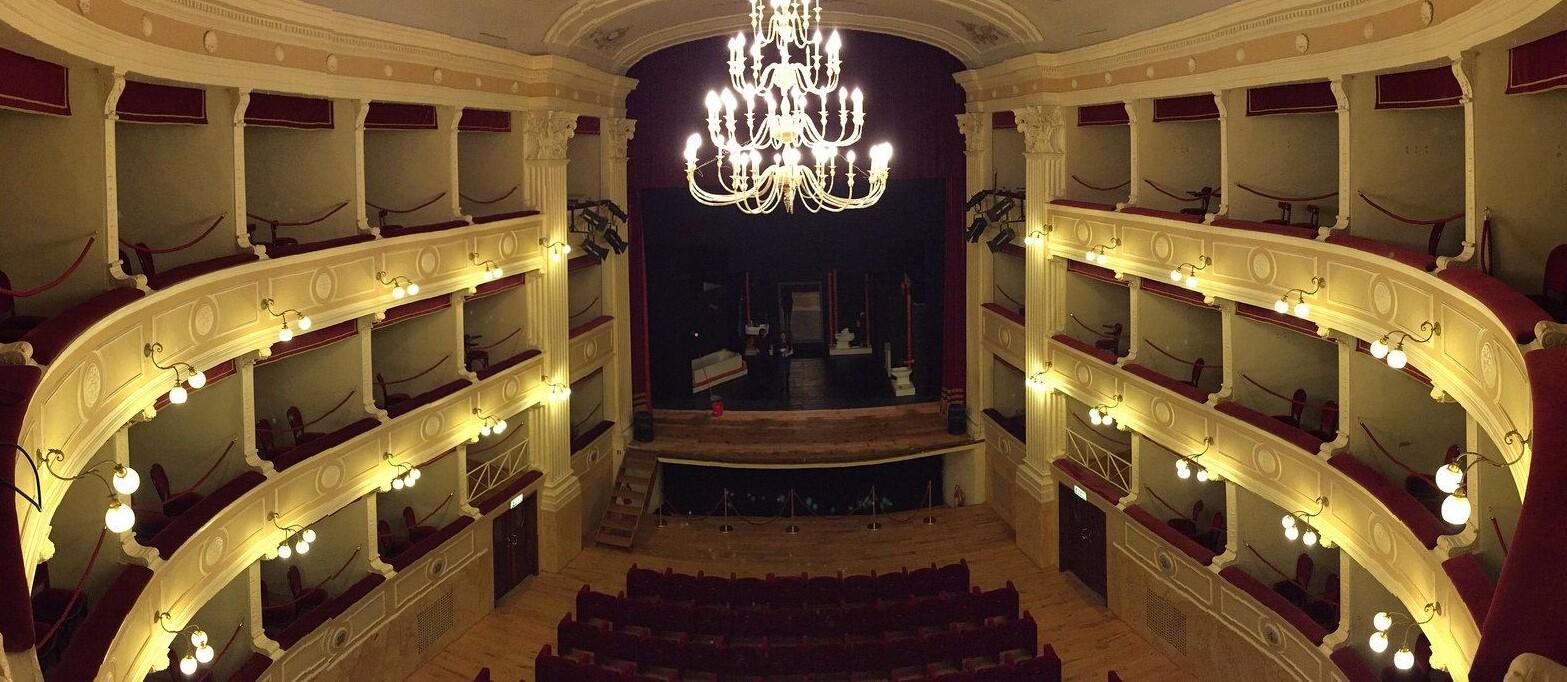
Theater of Mario Spina

The history of the Teatro Comunale begins at the end of the 16th century, when the Grand Duke of Tuscany Ferdinand I authorized the Podestà of Castiglion Fiorentino to start an Academy to perform comedies.

View More

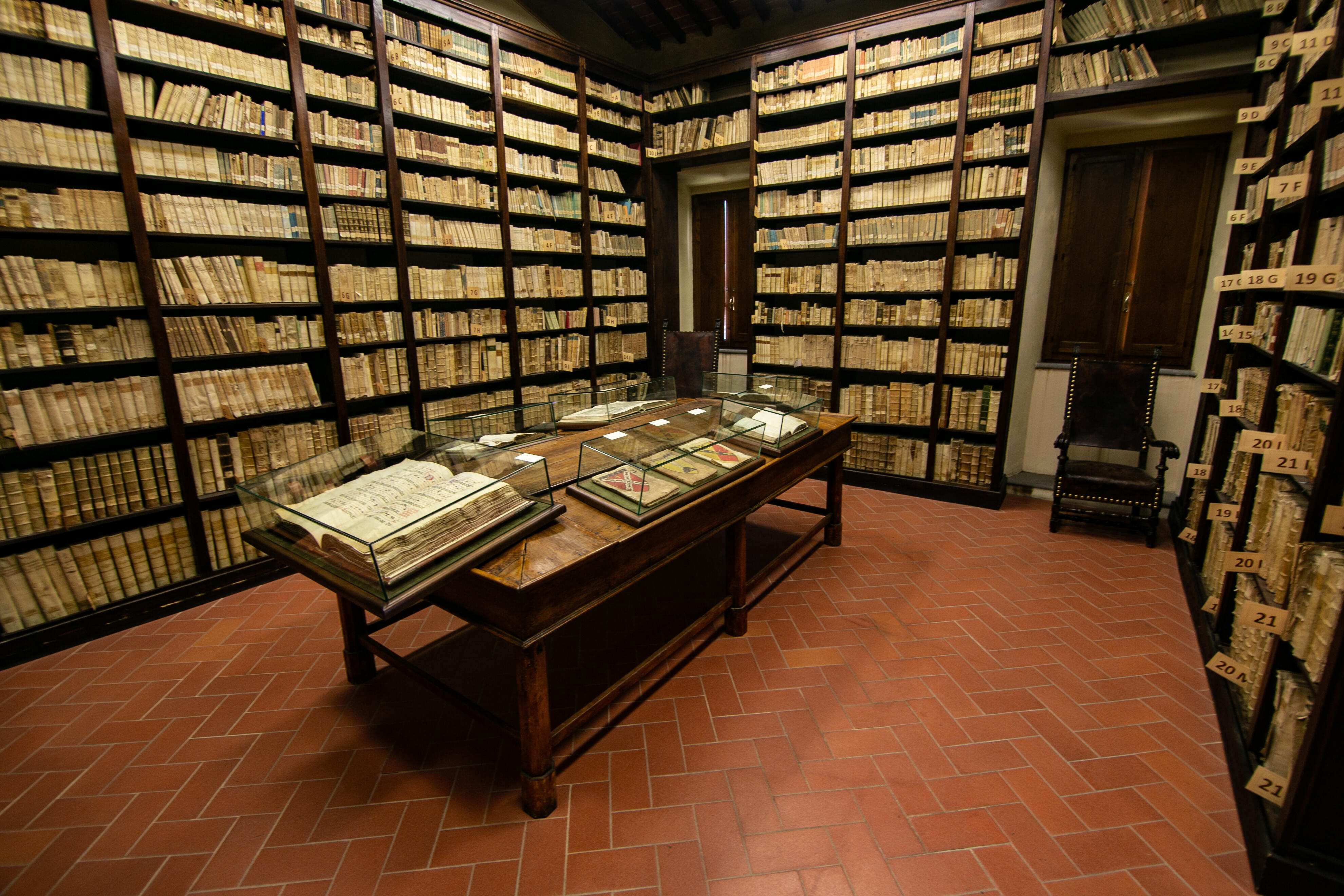
Fondo Antico

It currently houses 12,800 volumes and is currently digitizing the most prestigious manuscripts and printed books.

View More

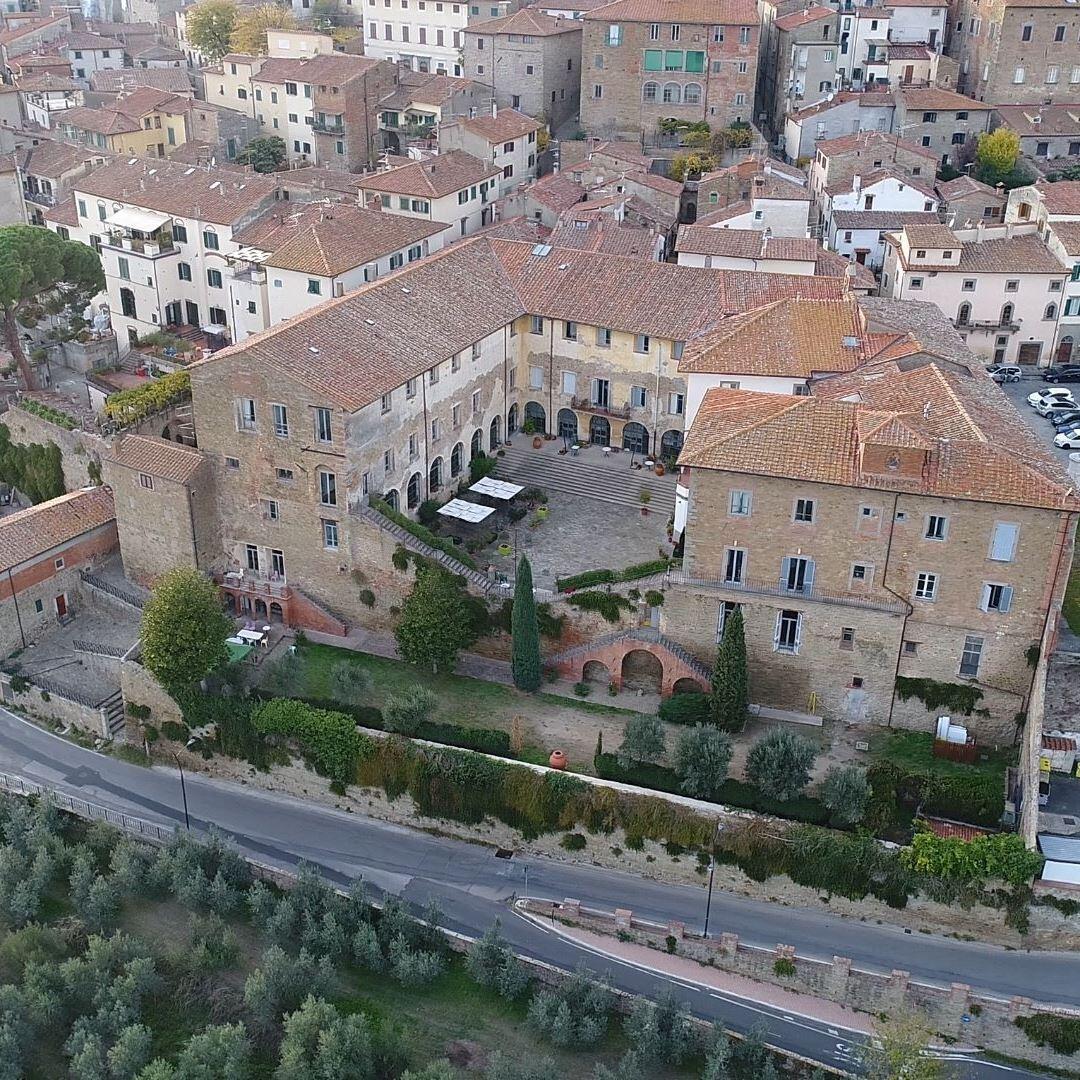
Institute of Santa Chiara

The complex was founded in the 16th century, when the monastery of San Salvatore was incorporated, which underwent significant expansion after 1557.

View More

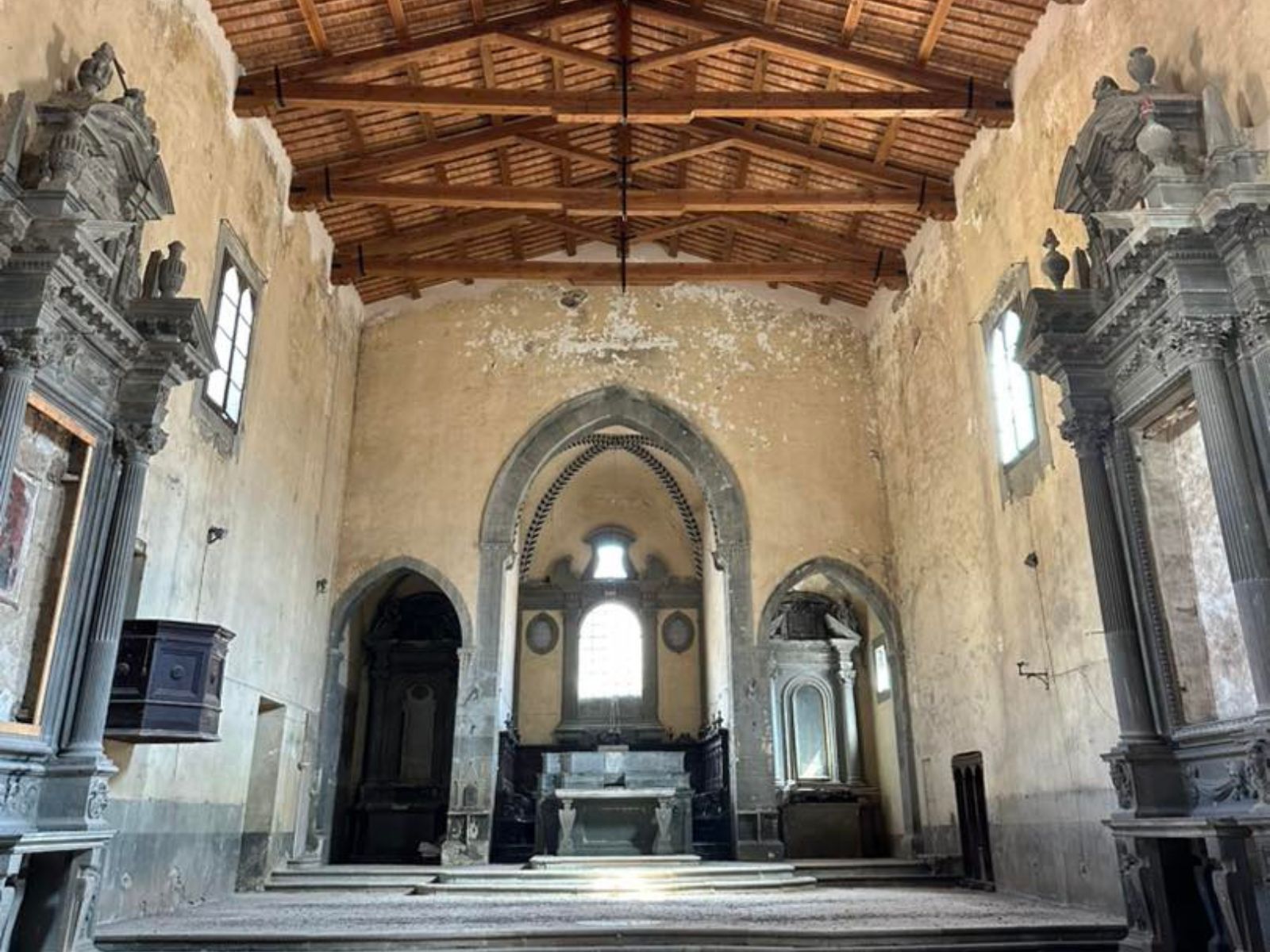
Church of Sant'Agostino

View More