POINT OF INTEREST  HISTORICAL BUILDINGS

Castle of Montecchio Vesponi

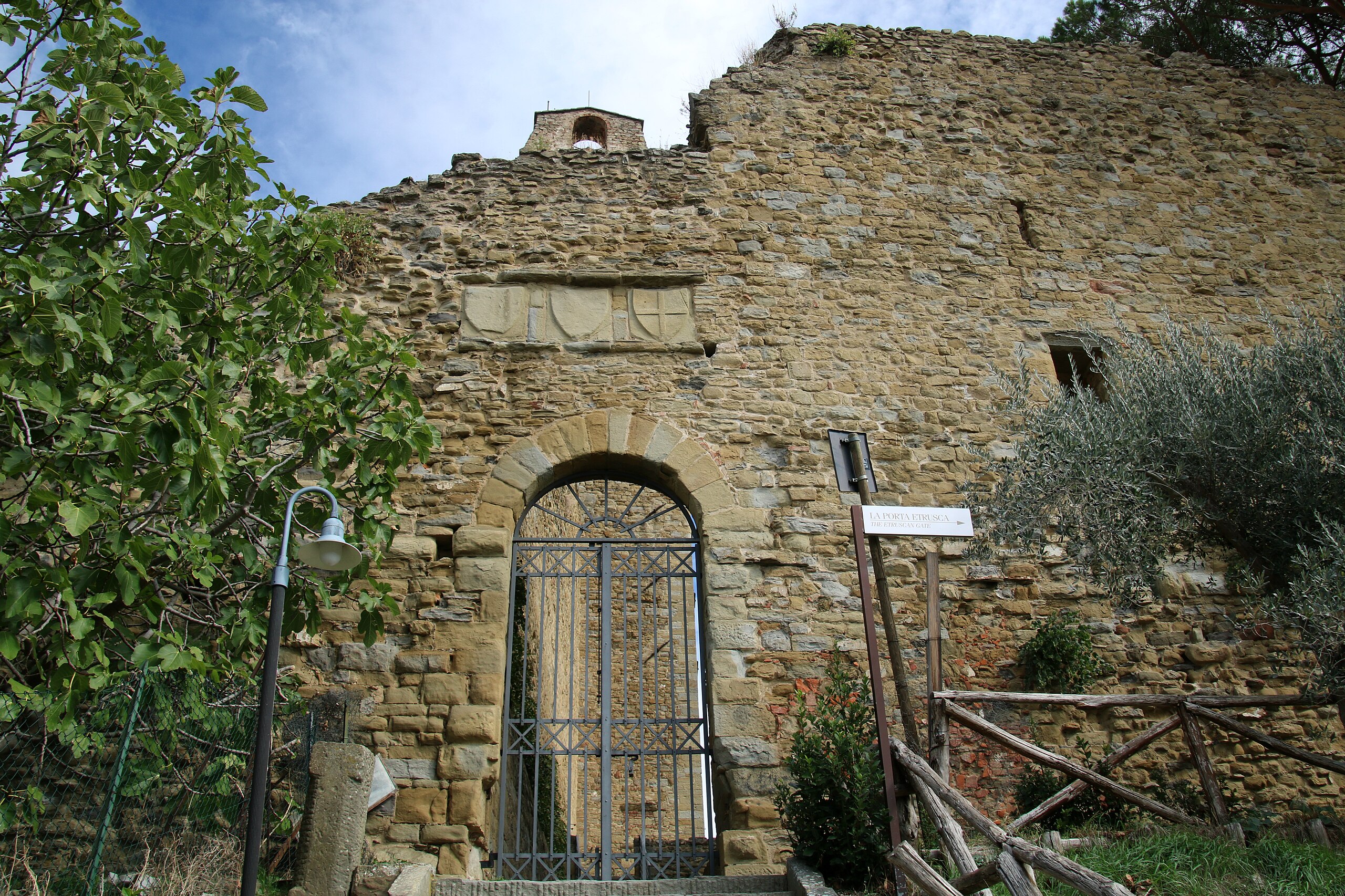
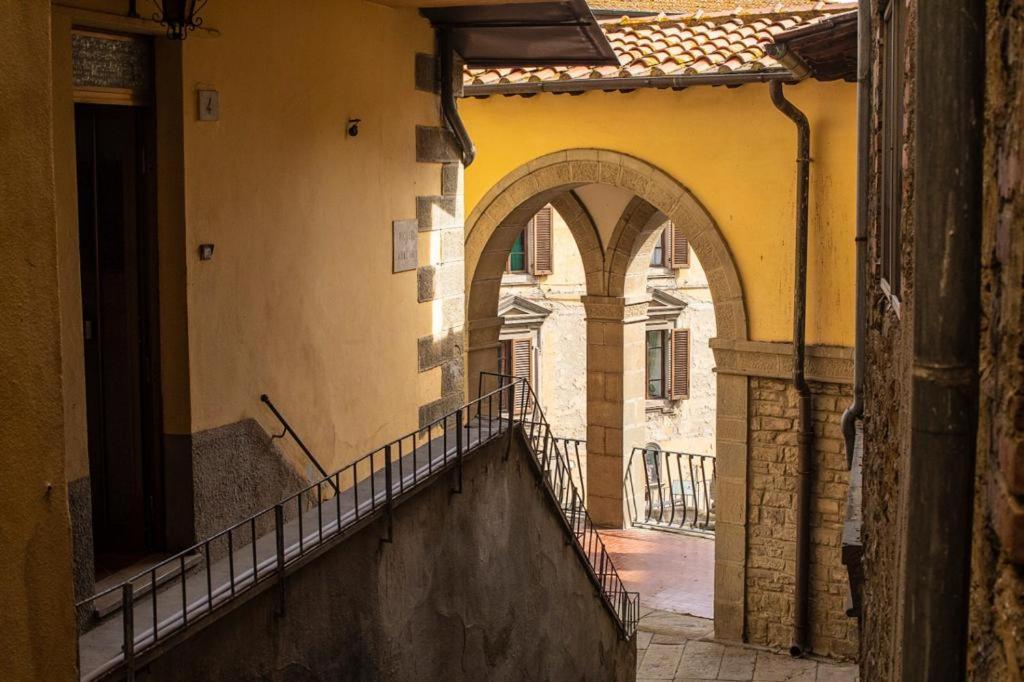
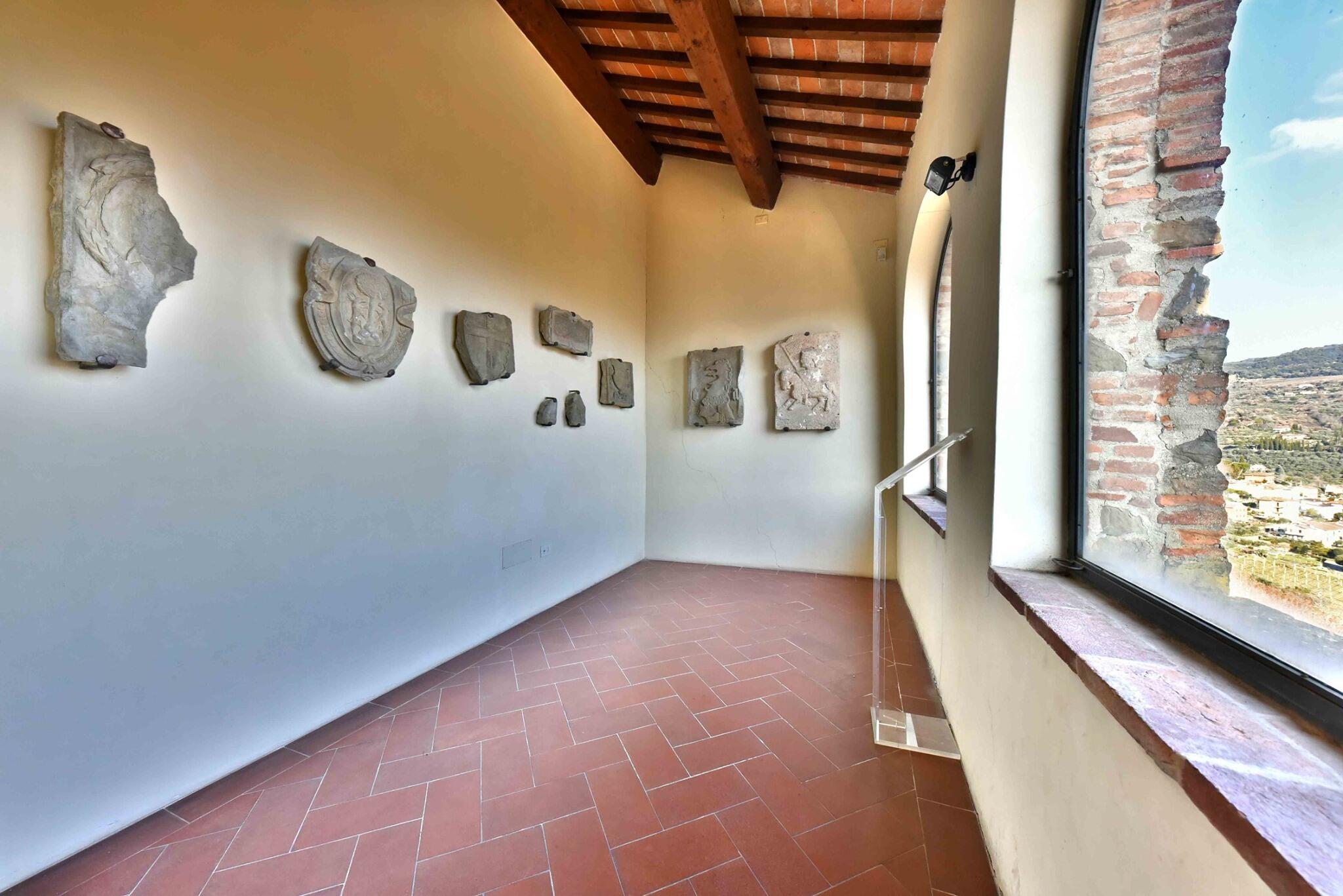
The Montecchio Vesponi Castle is one of the most evocative fortresses in all of Tuscany.

×

More information :

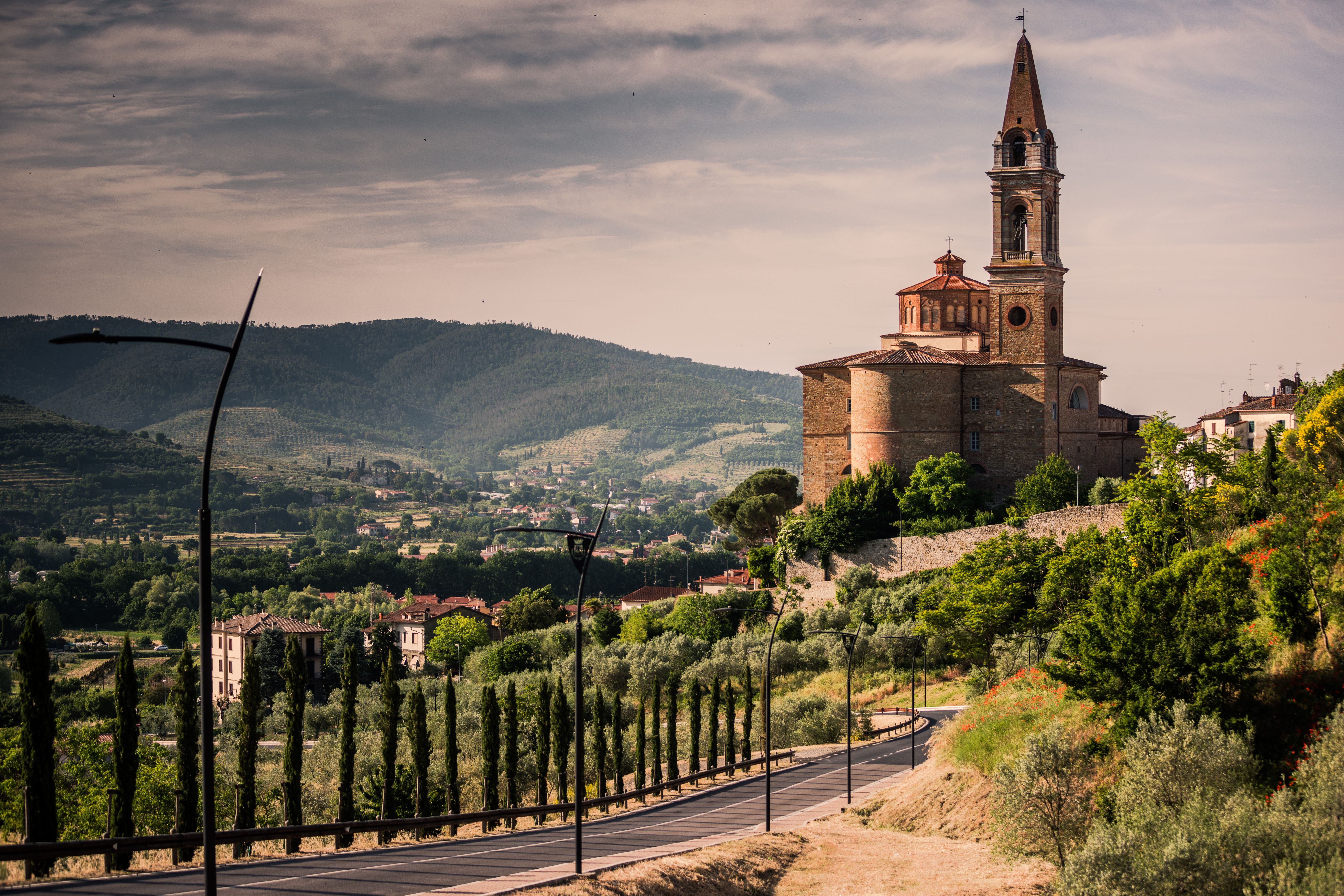
Built on a hill at the confluence of the Val di Chio and Val di Chiana, it served as a strategic point for controlling the ancient route between Arezzo and Cortona and the entire valley.

Immortalized in the backgrounds of some paintings by Fra Angelico, it still retains an imposing crenellated wall stretching 263 meters with nine watchtowers.

The toponym Monticulus refers to the modest height of the hill on which the castle stands; the name Vesponi may instead derive from the noble Arezzo family of the Guasconi, who owned it in the 11th century. The fortified settlement was first mentioned in 1014, ceded by the Abbey of Farneta to the Marquises of Monte Santa Mariai; the castle later became the subject of bitter disputes between Arezzo and Florence, who sought to consolidate their influence over the area.

The landscape surrounding Montecchio Vesponi Castle has been nominated for UNESCO World Heritage status.
How to Get Here

Address:

Localita Montecchio Vesponi 353
52043 Castiglion Fiorentino (AR)

View in Maps

Share the page

Below are our references through which you can contact us:

You might also be interested in ...

Drag or swipe the images for a more immersive experience.

Church of the Good Death

The Company of Prayer and Death, or Company of the Good Death, was founded in 1572 to organize a service of prayer, transportation, and burial of the deceased.

View More

Walks of Saint Francis

The Ways of St. Francis in Tuscany are a nearly 300-kilometer path that leads pilgrims and travelers to places linked to key episodes in the life of the Saint.

View More

Loggiato Vasariano

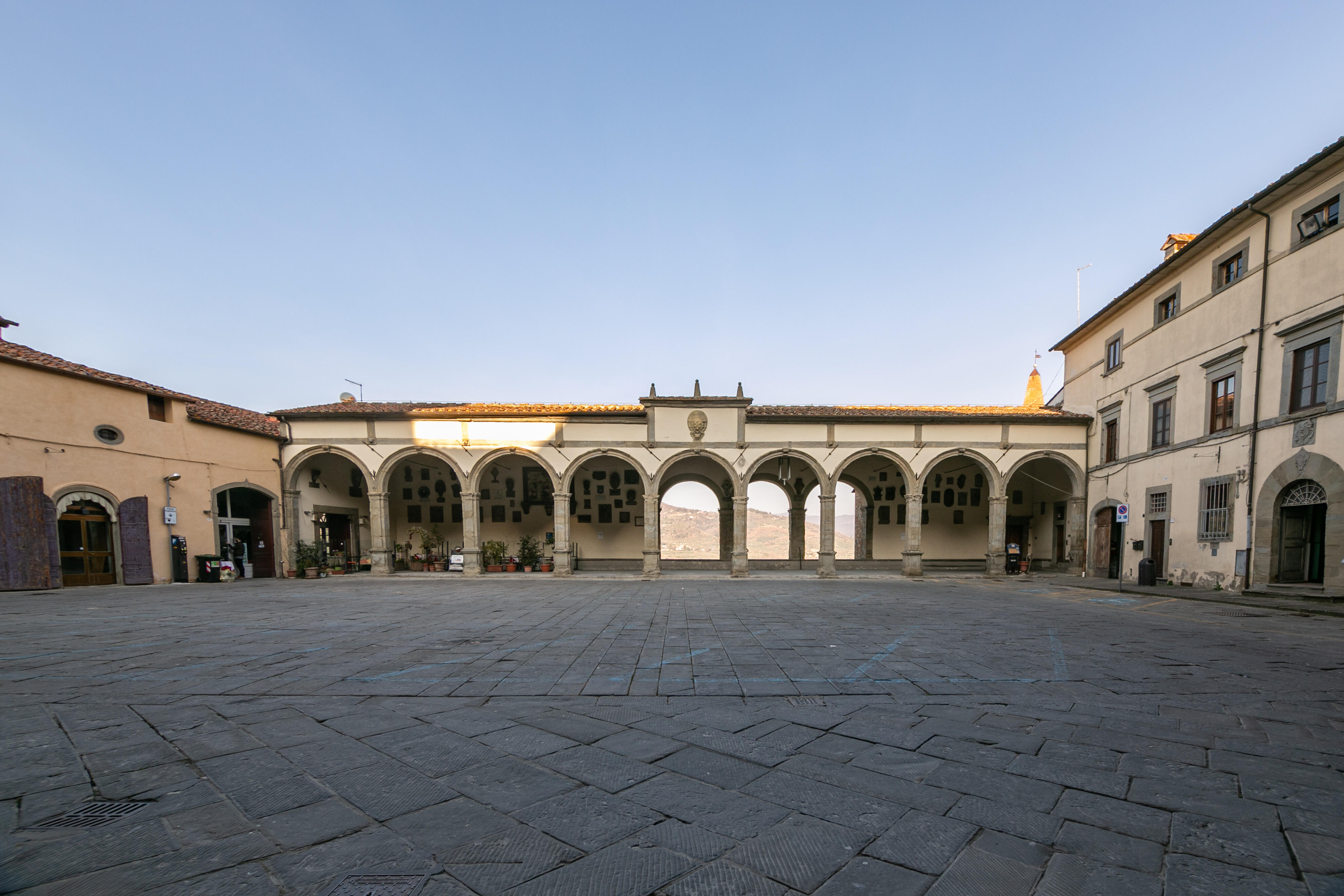
In front of the Town Hall we find the so-called Vasari loggia: in reality the nine-arched construction, built on the occasion of the reconstruction of the current Town Hall square, dates back to 1513.

View More

Romeo Germanica Trail

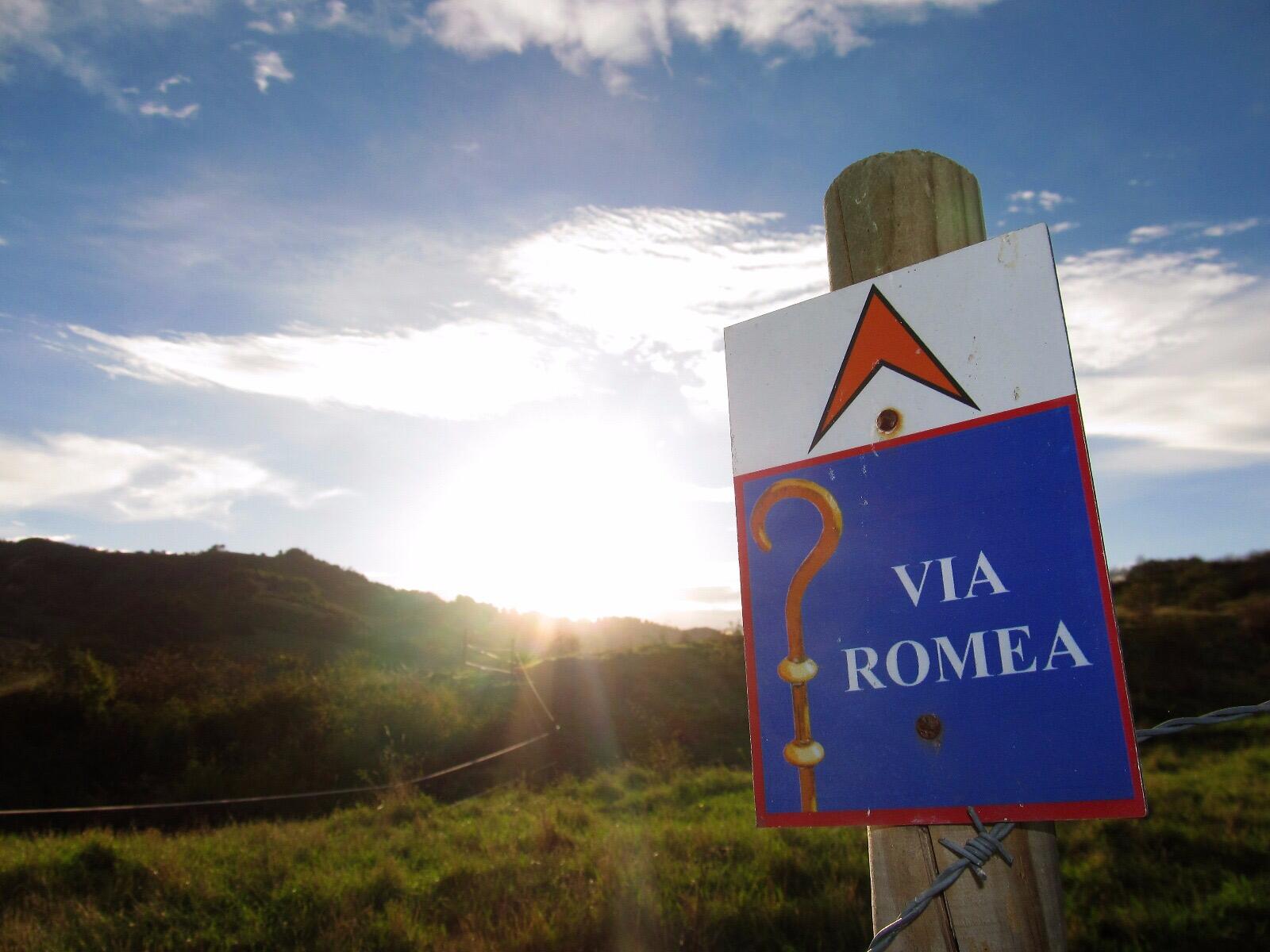
Castiglion Fiorentino is present within the Via Romea Germanica route as the arrival point of stage number 80

View More

Porta Perugina

Al termine di una ripida scalinata è disponibile l'accesso occidentale al fortilizio del Cassero

View More

Collegiate Church of Saints Michael and Julian

Stands out for its neoclassical structure and its loggia with massive columns resting on travertine bases.

View More

La Pinacoteca Comunale

The Municipal Art Gallery of Castiglion Fiorentino is housed in the restored rooms of the ancient church of S. Angelo al Cassero

View More

Cassero

Located in the highest part of the town, the Cassero complex dominates the entire Valdichiana and still retains its medieval defensive structure.

View More

Theater of Mario Spina

The history of the Teatro Comunale begins at the end of the 16th century, when the Grand Duke of Tuscany Ferdinand I authorized the Podestà of Castiglion Fiorentino to start an Academy to perform comedies.

View More

Sanctuary of Santa Maria delle Grazie del Rivaio

The Sanctuary of Santa Maria delle Grazie in Castiglion Fiorentino stands in an area originally known as Rivaio, a name that emphasizes the presence of a small stream (rivus) that likely ran through the site.

View More